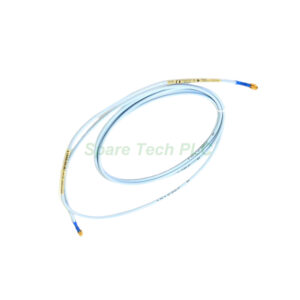
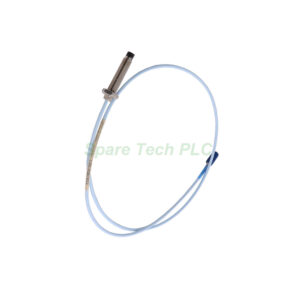
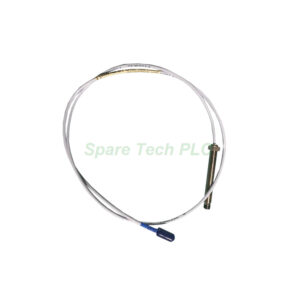
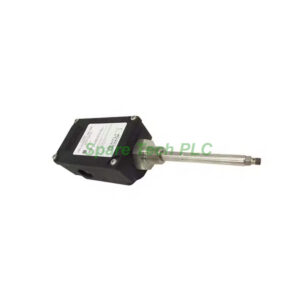
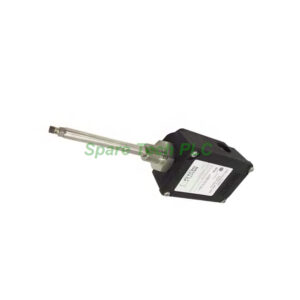
Bently Nevada 330708-00-10-50-01-00 3300 XL 11mm Proximity Probe
Product Introduction
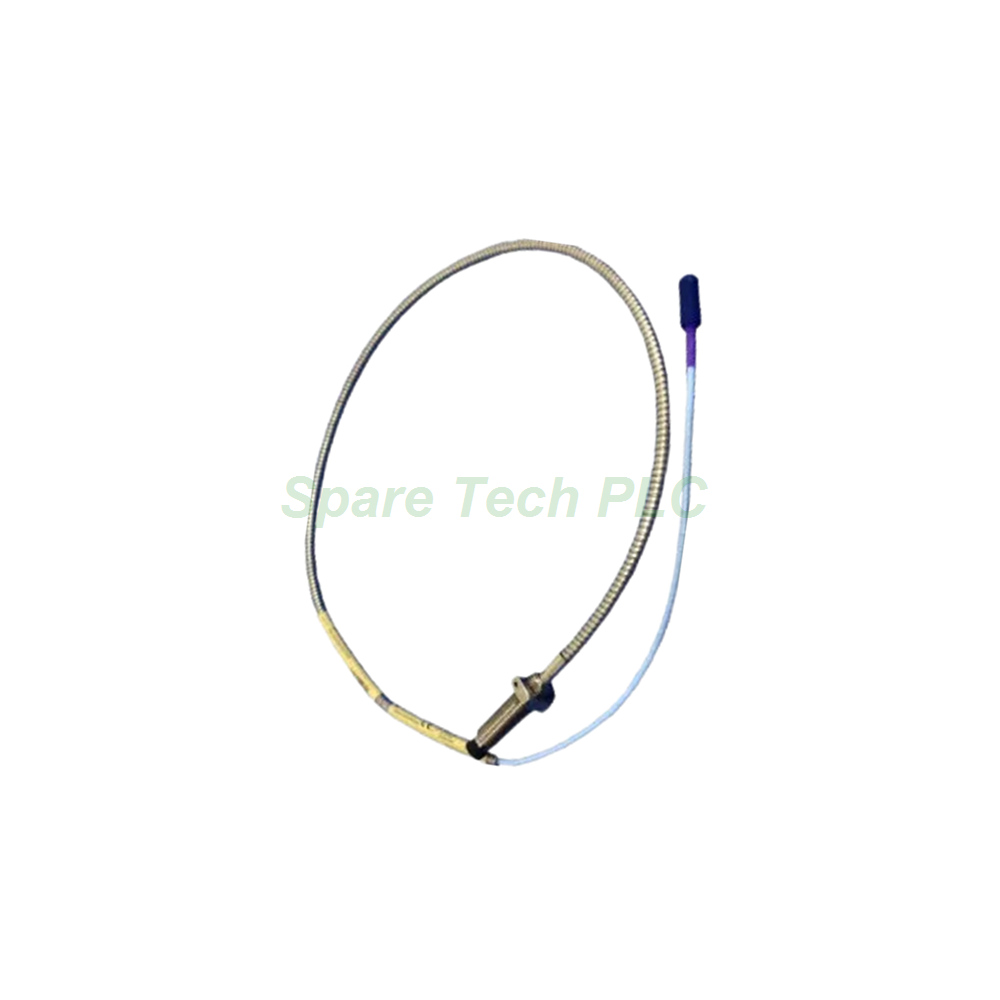
The Bently Nevada 330708-00-10-50-01-00 is a precision-engineered 3300 XL 11 mm proximity probe designed for non-contacting vibration and position measurement. This probe features a 5.0-meter (16.4 feet) total length with standard cable and a miniature coaxial ClickLoc connector. Specifically, the probe tip uses Polyphenylene sulfide (PPS) material, while the case is constructed from AISI 304 stainless steel for superior corrosion resistance. Furthermore, it offers a wide operating temperature range from -51°C to +177°C (-60°F to +351°F). Therefore, it is an ideal choice for critical turbomachinery applications such as compressors, turbines, and pumps. Additionally, the 5/8-18 UNF thread ensures compatibility with standard mounting hardware. Meanwhile, the patented TipLoc and CableLoc designs provide enhanced durability and pull strength.
Technical Specifications
This section details the core technical parameters of the 3300 XL 11 mm Proximity Probe.
Physical and Electrical Parameters:
Probe Type: 3300 XL 11 mm Probe, 5/8-18 UNF thread, without armor.
Total Length: 5.0 meters (16.4 feet).
Unthreaded Length: 0 inches (Option 00).
Overall Case Length: 1.0 inch (Option 10).
Connector Type: Miniature coaxial ClickLoc connector with connector protector, standard cable.
Cable Specification: 75 Ω triaxial, fluoroethylene propylene (FEP) insulated probe cable.
Probe Tip Material: Polyphenylene sulfide (PPS).
Probe Case Material: AISI 304 stainless steel (SST).
DC Resistance (RPROBE): The resistance from center conductor to outer conductor is 7.2 ± 0.8 Ω for the 5.0-meter length.
Mechanical Specifications:
Probe Case Thread: 5/8-18 UNF.
Maximum Length of Thread Engagement: 0.938 inches (23.8 mm).
Maximum Rated Torque: 45.2 N•m (400 in•lb).
Recommended Torque: 15.2 N•m (133 in•lb).
Connector-to-Connector Recommended Torque: Finger tight.
Connector-to-Connector Maximum Torque: 0.565 N•m (5 in•lb).
Minimum Bend Radius: 25.4 mm (1.0 inch) with or without SST armor.
Temperature and Environmental Specifications
Understanding the operational limits is crucial for reliable long-term performance.
Temperature Range:
Operating and Storage Temperature: -51°C to +177°C (-60°F to +351°F).
Important Note: Exposing the probe to temperatures below -34°C (-30°F) may cause premature failure of the pressure seal. Therefore, consider this limitation when planning installations in cold environments.
Pressure Seal:
The 3300 XL probes are designed to seal differential pressure between the probe tip and case. The probe sealing material consists of a Viton® O-ring. For instance, this seal prevents process fluids from entering the probe interior. However, probes are not pressure tested prior to shipment. Consequently, contact our custom design department if you require a test of the pressure seal for your specific application.
Mechanical Durability Features
The 3300 XL 11 mm probe incorporates several improvements over previous designs.
Patented TipLoc Molding:
The TipLoc molding method provides a more robust bond between the probe tip and the probe body. As a result, this enhances the structural integrity of the probe under vibration and thermal cycling.
Patented CableLoc Design:
The probe's cable incorporates a patented CableLoc design. Specifically, this provides 330 N (75 lbf) pull strength to more securely attach the probe cable and probe tip. Therefore, it reduces the risk of cable detachment during installation or operation.
Thread Options:
This model features the 5/8-18 UNF thread. Meanwhile, other thread options like M16x1.5 and M14x1.5 are available for different mounting requirements. For instance, M16x1.5 has a maximum thread engagement of 24 mm, while M14x1.5 has 21 mm.
Installation and Connectivity
Proper installation ensures optimal performance of the Bently Nevada system.
Mounting Guidelines:
Apply the recommended torque of 15.2 N•m (133 in•lb) when installing the probe. Do not exceed the maximum rated torque of 45.2 N•m (400 in•lb).
For the connector, finger-tight is recommended, with a maximum of 0.565 N•m (5 in•lb).
Ensure the minimum bend radius of 25.4 mm (1.0 inch) is maintained to prevent cable damage.
Compatibility:
This probe accepts one non-contacting 3300 XL 11 mm Proximity Probe and Extension Cable. For optimal performance, use genuine Bently Nevada extension cables and Proximitor sensors.
System Performance:
Unless otherwise noted, specifications apply to a system consisting of a 3300 XL 11 mm Proximitor Sensor, extension cable, and probe between +18˚C and +27˚C (+64˚F to +80˚F) at a maximum altitude of 2000 meters. System accuracy applies to calibration against an AISI 4140 steel target.
Packaging and Logistics
The 330708-00-10-50-01-00 is shipped with the necessary components for a straightforward installation.
Package Contents:
Shipping Information:
We ship this product worldwide using reliable carriers. For instance, we use FedEx, UPS, and DHL to ensure fast and secure delivery.
Frequently Asked Questions (FAQ)
Q1: What is the total length of the 330708-00-10-50-01-00 probe?
A1: This model features a 5.0-meter (16.4 feet) total length. The -50 option in the product number specifically indicates this length. Other options include 1.0 meter and 9.0 meters.
Q2: What thread type does this probe use?
A2: The Bently Nevada 330708-00-10-50-01-00 features a 5/8-18 UNF thread. This is a standard imperial thread commonly used in many turbomachinery applications.
Q3: What is the operating temperature range for this probe?
A3: It operates from -51°C to +177°C (-60°F to +351°F). However, note that exposing the probe to temperatures below -34°C (-30°F) may cause premature failure of the pressure seal.
Q4: Can I use this probe with armored cable?
A4: No. This specific model features the -330708 base option, which indicates "without armor." For armored versions, please select the appropriate product variant.
Q5: What is the significance of the patented TipLoc molding?
A5: The TipLoc molding method provides a robust bond between the probe tip and probe body. As a result, this enhances the probe's durability under vibration and thermal stress. Moreover, it reduces the risk of tip separation during operation.