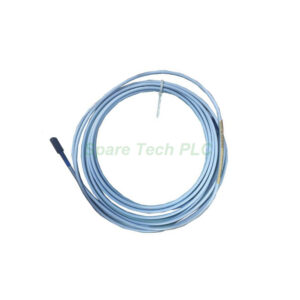
Product Introduction
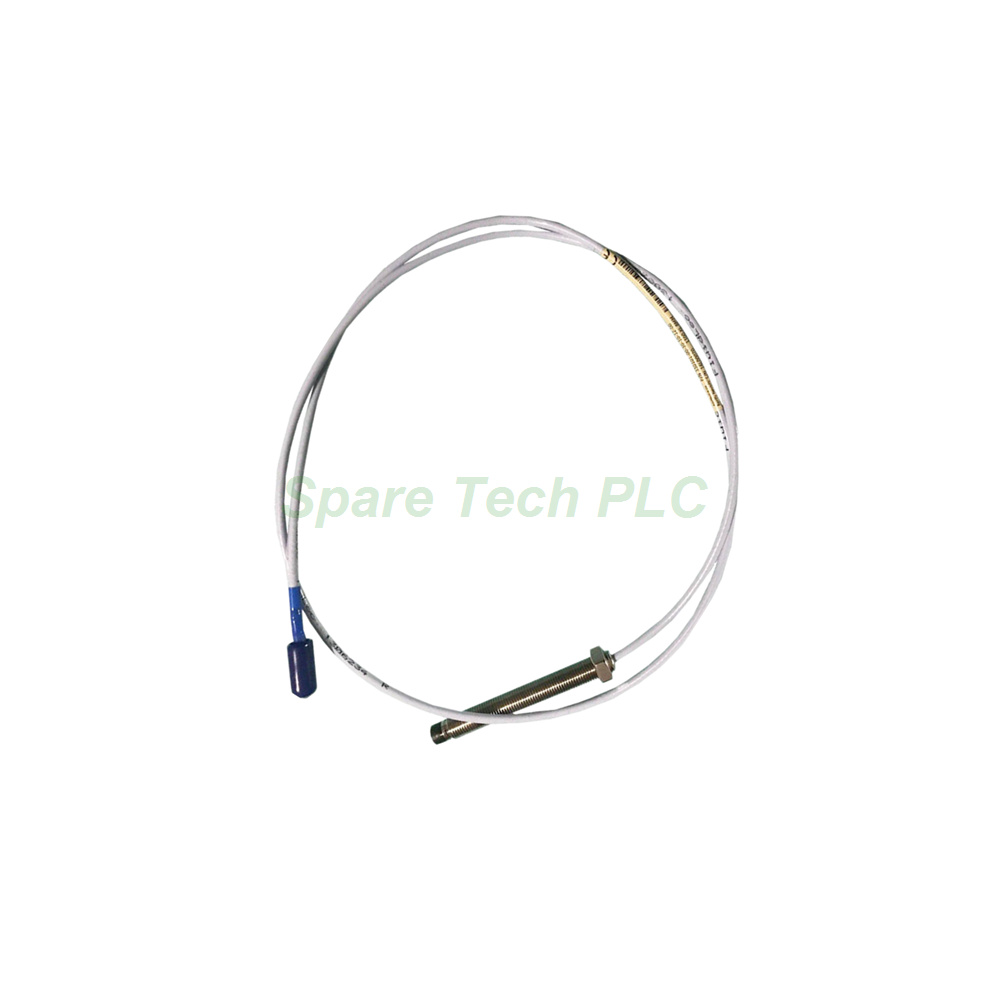
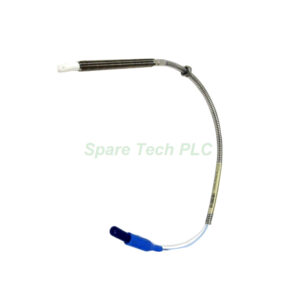
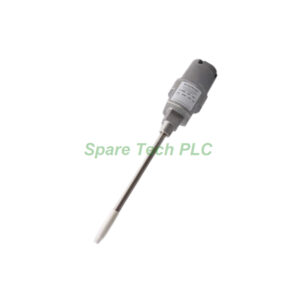
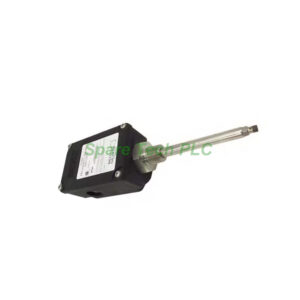
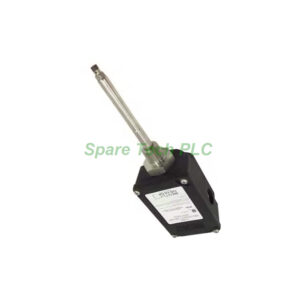
The Bently Nevada 330702-00-40-10-01-00 is a precision-engineered 3300 XL series eddy-current proximity probe. It performs non-contact measurement of shaft vibration, position, and speed in critical rotating machinery. This sensor produces linear output voltage proportional to the distance between the probe tip and the target surface. Therefore, it serves as a vital component for predictive maintenance and machinery protection systems.
Robust construction defines this model. It features a Polyphenylene sulfide (PPS) probe tip and an AISI 304 stainless steel case. These materials ensure durability in harsh environments. The probe cable is a 75 Ω triaxial type with fluoroethylene propylene (FEP) insulation, which enhances signal integrity. Additionally, the 1/2-20 UNF case thread allows straightforward installation. This particular model includes a 1.0 metre total length and a Miniature coaxial ClickLoc connector with a connector protector for a secure connection.
Technical Specifications
This section details the core technical parameters of the 3300 XL 11 mm Proximity Probe.
Electrical Properties
The Bently Nevada 330702-00-40-10-01-00 exhibits precise electrical characteristics. The DC resistance from the center conductor to the outer conductor (RPROBE) measures 5.9 ± 0.5 ohms for the 1.0 metre length. This consistent resistance value supports accurate and repeatable measurements. Furthermore, the probe cable has a 75 Ω triaxial design and uses FEP insulation to minimize signal loss and interference.
Mechanical Dimensions
The mechanical configuration of the 3300 XL probe offers great versatility. The overall case length is 4.0 inches, while the unthreaded length option is 0.0 inches. For the 1/2-20 UNF thread option, the maximum length of thread engagement is 0.750 inches. For the M16x1.5 thread option, this value is 24 mm. The total probe length is 1.0 metre (3.3 feet) . Moreover, the minimum bend radius for the probe cable is 25.4 mm (1.0 inch) .
Material Composition
Careful material selection ensures durability. The probe tip is constructed from Polyphenylene sulfide (PPS) , a high-performance thermoplastic. The probe case is manufactured from AISI 304 stainless steel (SST) , providing excellent corrosion resistance. The cable insulation uses fluoroethylene propylene (FEP) . Additionally, a Viton O-ring serves as the sealing material.
Environmental and Mechanical Parameters
The Bently Nevada 330702-00-40-10-01-00 can withstand challenging operational conditions.
Temperature Ranges
The probe operates and stores within a temperature range of -51°C to +177°C (-60°F to +351°F) . However, exposing the probe to temperatures below -34°C (30°F) may cause premature failure of the pressure seal. The device also meets several temperature classifications for explosive atmospheres (EPL Ga, Gc, Dc) with varying ambient temperature limits.
Torque Specifications
Proper installation torque is critical for optimal performance. For the 1/2-20 UNF thread, the maximum rated torque is 45.2 N•m (400 in•lb) , while the recommended torque is 15.2 N•m (133 in•lb) . For the connector, the recommended torque is finger-tight, and the maximum is 0.565 N•m (5 in•lb) .
Pressure and Sealing
The 3300 XL probe seals differential pressure between the tip and case effectively. A Viton O-ring achieves this sealing function. Please note that these probes do not undergo pressure testing before shipment. Additionally, the probe DC resistance is a key parameter for system setup and troubleshooting.
Installation Guidelines
Installing the Bently Nevada 330702-00-40-10-01-00 requires careful attention to detail.
First, ensure the target surface is clean and free of debris. The standard target material for 3300 XL probes is typically AISI 4140 steel. Next, check the thread engagement precision. For the 1/2-20 UNF thread, the maximum engagement length is 0.750 inches. For the M16x1.5 thread, it is 24 mm. Specifically, apply the recommended torque values to avoid damaging the probe or the mounting hardware. The recommended torque for the case is 15.2 N•m (133 in•lb) .
Then, route the cable with care. The minimum bend radius of 25.4 mm (1.0 inch) must not be exceeded, whether or not the cable has stainless steel armor. This practice prevents damage to the internal conductors. When connecting the Miniature coaxial ClickLoc connector, tighten it finger-tight only. Do not exceed the maximum torque of 0.565 N•m (5 in•lb) . Meanwhile, verify the total probe length for your specific application.
Packaging List
Your shipment for the Bently Nevada 330702-00-40-10-01-00 will include the following items:
The product will arrive in secure packaging to prevent damage during transit. We carefully coil the probe to maintain the specified minimum bend radius. All shipments go out via major carriers such as FedEx, UPS, or DHL.
Frequently Asked Questions (FAQ)
Q1: What is the primary application for the Bently Nevada 330702-00-40-10-01-00?
A1: The primary application is non-contact vibration and position monitoring of rotating machinery shafts. It provides critical data for predictive maintenance and machine protection systems.
Q2: What is the total length of the probe cable for model 330702-00-40-10-01-00?
A2: This specific model has a total length of 1.0 metre (3.3 feet) . However, the 3300 XL series is available in other lengths such as 5 or 9 metres to suit different installation needs.
Q3: What materials are used in the construction of this 3300 XL probe?
A3: The probe tip is made of Polyphenylene sulfide (PPS) . The probe case is constructed from AISI 304 stainless steel (SST) . The cable uses 75 Ω triaxial design with fluoroethylene propylene (FEP) insulation and a Viton O-ring for sealing.
Q4: Is there a specific torque requirement for installing this Bently Nevada probe?
A4: Yes. For the 1/2-20 UNF thread, the recommended installation torque is 15.2 N•m (133 in•lb) , with a maximum of 45.2 N•m (400 in•lb) . The connector should only be tightened finger-tight, with a maximum of 0.565 N•m (5 in•lb) .
Q5: Can this 3300 XL probe operate in explosive atmospheres?
A5: Yes, it has temperature classifications for use in explosive atmospheres. It meets requirements for EPL Ga, Gc, and Dc. The ambient temperature limits vary by classification, such as T1 to T5 for EPL Ga and Gc.