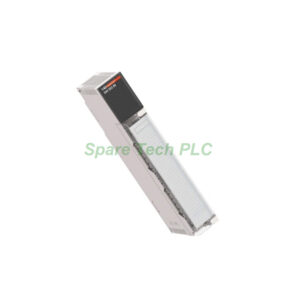
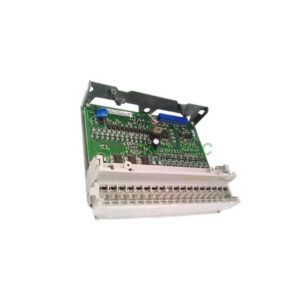
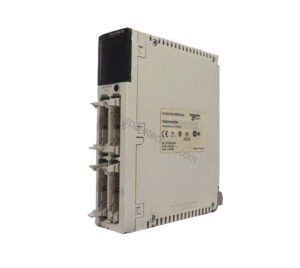
140DAI35300C Modicon Quantum Discrete Input Module
Product Introduction
The 140DAI35300C from Schneider Electric functions as a discrete input module within the Modicon Quantum PLC platform. This module excels in applications that require numerous digital inputs, providing 32 input channels that work with 24 V AC signals. It converts field signals from sensors and switches into usable data for the central processor, playing an essential role in system monitoring and control logic execution.
Key Technical Specifications
The Schneider Electric 140DAI35300C offers 32 discrete input channels, significantly expanding the I/O capacity of your control system. This module operates at a nominal 24 V AC input voltage. For memory mapping purposes, it requires 2 input words, which efficiently organizes the data from all 32 channels.
The input current ranges from 11.1 to 13.2 mA per channel, ensuring consistent and reliable signal detection. A maximum leakage current of 1.9 mA helps minimize signal interference and prevents false triggering. The module draws a bus current of 250 mA from the rack backplane and has a maximum power dissipation of 10.9 W, reflecting its efficient energy design for a high-density configuration.
Standards and Compliance
This input module carries the CE marking, confirming its compliance with essential European safety and environmental regulations. Additionally, it adheres to UL 508 and CSA standards, which are critical benchmarks for industrial control equipment. These certifications give users confidence that the 140DAI35300C meets rigorous quality and safety requirements for global installations.
Mechanical and Environmental Parameters
The 140DAI35300C features a standard format, guaranteeing seamless compatibility with Modicon Quantum racks and backplanes. It operates reliably within an ambient temperature range of 0°C to 60°C, making it suitable for a wide variety of factory floor conditions. Weighing approximately 0.34 kg, this module is compact and easy to handle during setup.
Installation Guidelines
Installing the 140DAI35300C involves a few straightforward steps. First, switch off the power to the rack completely to ensure safe handling. Next, align the module with the guide rails inside the Quantum chassis. Then slide it firmly into position until it fully connects with the backplane. Finally, tighten the retaining screws to lock the module securely in place. After installation, you can begin wiring your field devices to the front terminals.
Packaging List
Shipping Information
We dispatch all orders using premium express delivery services, including Fedex, UPS, and DHL.
Frequently Asked Questions
1. What advantage does the 140DAI35300C offer over a 16-channel input module?
The 140DAI35300C provides a higher density solution, allowing you to connect up to 32 field devices in a single module. This saves valuable rack space and reduces the overall cost per input point compared to lower-density alternatives like the 140DAI34000C.
2. Can I mix the 140DAI35300C with other I/O modules in the same rack?
Yes, you can freely mix the 140DAI35300C with other Modicon Quantum I/O modules, including analog and output modules. This flexibility lets you build a control system that precisely matches your application needs.
3. Why does the 140DAI35300C require 2 input words for addressing?
Because the 140DAI35300C has 32 input channels, it needs 2 input words (16 bits each) in the processor's memory map to represent all 32 discrete signals. This addressing structure helps the system organize and access input data efficiently.
4. How does the leakage current specification affect my system?
The 1.9 mA maximum leakage current ensures that off-state signals do not falsely trigger an input. This low leakage current helps maintain accurate signal detection, especially when using devices that may have some residual current when switched off.
5. What environments suit the 140DAI35300C best?
The 140DAI35300C works well in indoor industrial environments with temperatures from 0°C to 60°C. For outdoor or exposed installations, you will need additional protective enclosures to shield the module from extreme weather conditions.