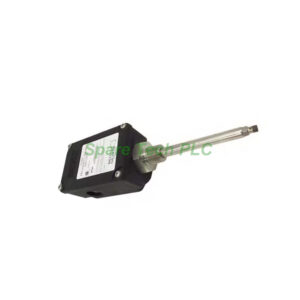
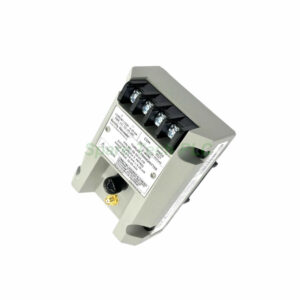
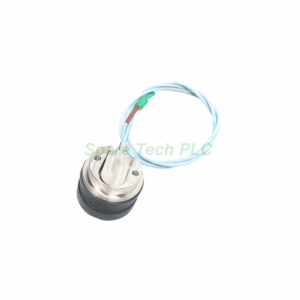
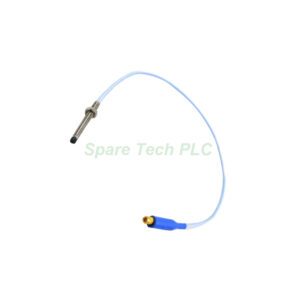
990 Vibration Transmitter Bently Nevada 990-08-50-02-00
Product Introduction
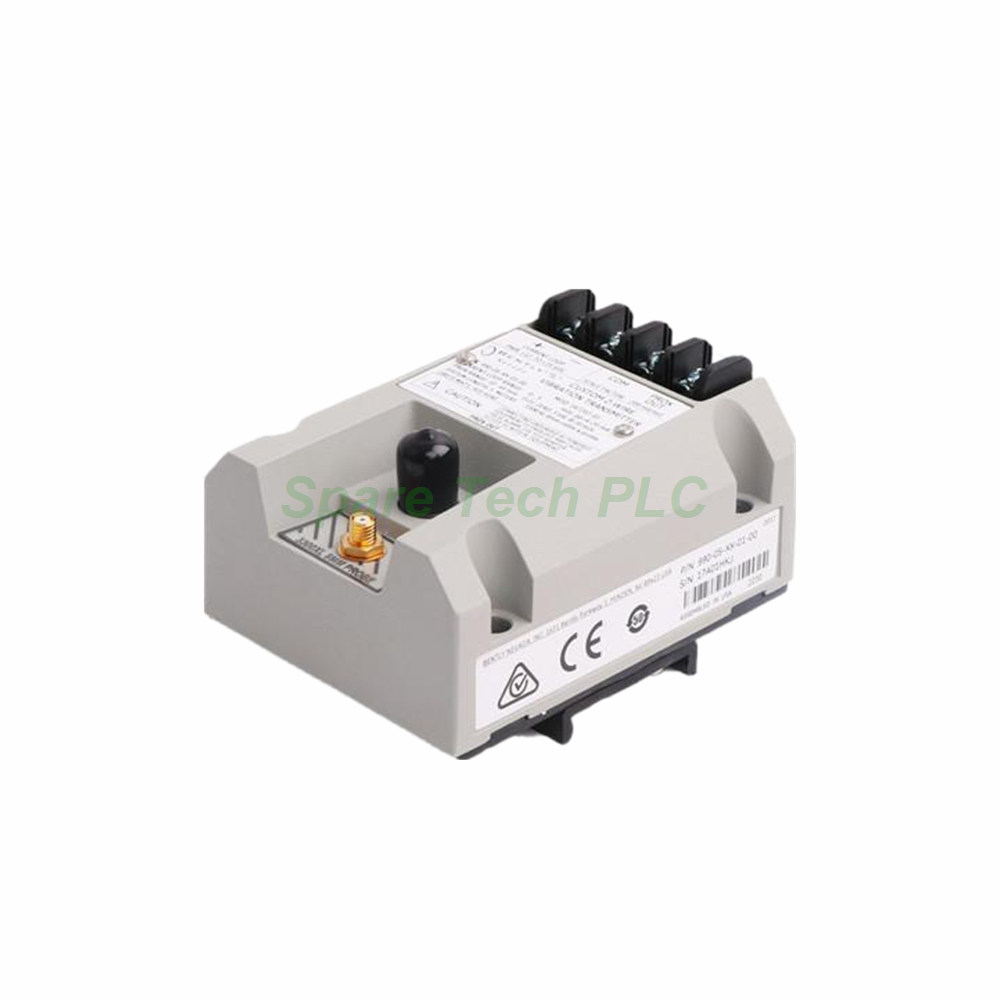
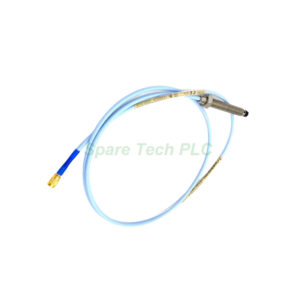
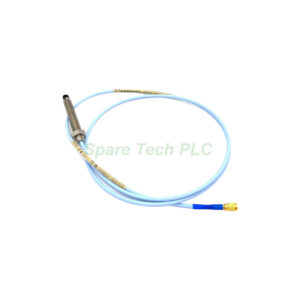
The Bently Nevada 990-08-50-02-00 is a versatile 990 Vibration Transmitter designed for reliable machinery protection. This unit accepts one non-contacting 3300 NSv Proximity Probe and extension cable. It converts vibration signals into a standard 4-20 mA output for easy integration with PLCs, DCS systems, and monitoring equipment. The transmitter offers a full-scale range of 0-8 mils pp (0-200 μm pp) and comes with a 5.0-meter system length. Its bulkhead screw mounting option simplifies installation in various industrial settings. Furthermore, the device includes non-interacting external zero and span adjustments for convenient calibration.
Technical Specifications
Electrical Parameters
The Bently Nevada 990-08-50-02-00 requires a +12 to +35 Vdc input at the transmitter terminal. Its 4-20 mA signal output operates in a 2-wire configuration over the specified full-scale range. The maximum loop resistance reaches 1,000 Ω including cable at 35 Vdc. Current limiting is typically 23 mA. The 4-20 mA loop accuracy stays within ±1.5% over the full-scale range, rated from the TEST signal input to the voltage measured across a 250 Ω loop resistance. This error is additional to the Prox Out Incremental Scale Factor.
Frequency Response and Dynamics
This vibration transmitter delivers a frequency response from 5 Hz to 6,000 Hz +0, -3 dB. Such a wide bandwidth captures both low-frequency machinery vibrations and higher-frequency events. The minimum target size required is 9.5 mm (0.375 in) in diameter for proper operation.
NOT OK and Signal Defeat Features
The signal output drops to less than 3.6 mA within 100 µs after a Not OK condition occurs. Additionally, the signal restores within 2-3 seconds after the Not OK condition clears. This fast response ensures your monitoring system detects problems immediately and prevents false alarms during transient conditions.
Mechanical and Installation Parameters
Mounting and System Length
The 990-08-50-02-00 features bulkhead screw mounting (Option 02) for secure installation. The system length is 5.0 meters (16.4 feet), matching the probe extension cable length. The transmitter itself weighs only 0.43 kg (0.9 lbm), making it lightweight and easy to handle during installation.
Probe Gap Requirements
The proximity probe must be gapped between 0.5 and 1.75 mm (20 and 55 mils) from the target to ensure the full-scale range. This gap range provides the optimal linear region for accurate vibration measurement. Always verify the gap setting during installation using appropriate measurement tools.
Leadwire and Cable Specifications
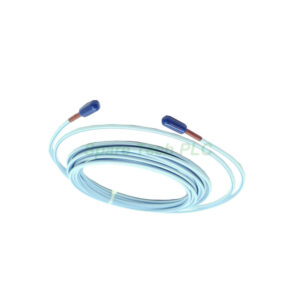
For the Proximitor Sensor Output with a BNC connector, the maximum cable distance is 3 meters (10 feet). Use high-quality shielded cable to maintain signal integrity. The input accepts one non-contacting 3300 NSv Proximity Probe and its matching extension cable.
Environmental and Safety Ratings
Power Supply Requirements
The transmitter requires +12 to +35 Vdc input. For non-hazardous, Zone 2, or Division 2 hazardous area locations, use a 28 V power supply. Ensure the power source can deliver adequate current while maintaining stable voltage under all operating conditions.
Agency Approvals
This specific model carries the Agency Approval Option 00, which means approvals are not required for this configuration. Nevertheless, the transmitter is suitable for various industrial environments and complies with standard electrical safety requirements.
Installation Guidelines
Mounting Procedure
First, mount the transmitter using the bulkhead screws provided. Secure it firmly to a stable surface near the measurement point. Next, connect the 3300 NSv Proximity Probe and extension cable to the input terminals. Then, gap the probe between 0.5 and 1.75 mm (20-55 mils) from the target surface. After that, connect the power supply (+12 to +35 Vdc) and the 4-20 mA loop wiring.
Calibration and Adjustment
The transmitter offers non-interacting external zero and span adjustments. Turn the zero adjustment to set the 4 mA output at the minimum vibration level. Subsequently, apply a known vibration signal and adjust the span to achieve 20 mA at the full-scale reading. Use the TEST signal input for convenient calibration without running the machinery.
Loop Wiring Best Practices
Use twisted-pair shielded cable for the 4-20 mA loop. Keep the total loop resistance below 1,000 Ω at 35 Vdc. The 2-wire configuration simplifies wiring and reduces installation costs. Place the transmitter as close as practical to the probe to minimize signal degradation.
Packaging List
1 x Bently Nevada 990-08-50-02-00 990 Vibration Transmitter
1 x Bulkhead screw mounting kit (pre-installed)
1 x Terminal block connector
1 x Installation and calibration quick guide
Shipping Method: FedEx, UPS, DHL
Frequently Asked Questions
1. What is the full-scale range of the Bently Nevada 990-08-50-02-00?
The Bently Nevada 990-08-50-02-00 offers a full-scale range of 0-8 mils pp (0-200 μm pp). This range suits most common vibration monitoring applications for rotating machinery.
2. What power supply does this vibration transmitter need?
This transmitter requires +12 to +35 Vdc input at the transmitter terminal. For hazardous area locations, Bently Nevada recommends using a 28 V power supply.
3. What probe does the 990-08-50-02-00 accept?
It accepts one non-contacting 3300 NSv Proximity Probe and its matching extension cable. Always use Bently Nevada approved probes for optimal performance and accuracy.
4. How do I gap the probe correctly for this transmitter?
Gap the probe between 0.5 and 1.75 mm (20 and 55 mils) from the target. This gap range ensures the full-scale vibration range is achievable with linear response.
5. What is the frequency response of the 990 vibration transmitter?
The frequency response is 5 Hz to 6,000 Hz +0, -3 dB. This covers most machinery vibration frequencies, including slow-speed and high-speed applications.