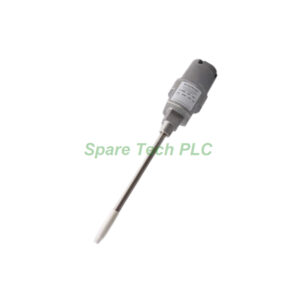
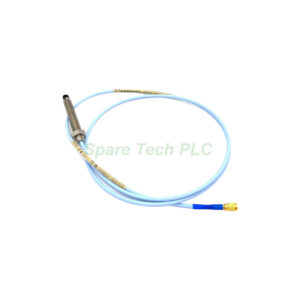
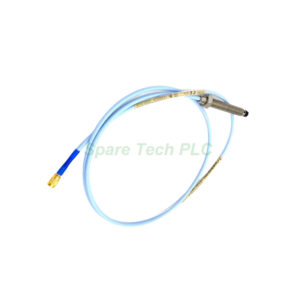
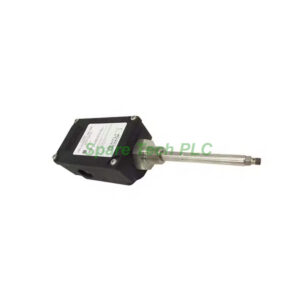
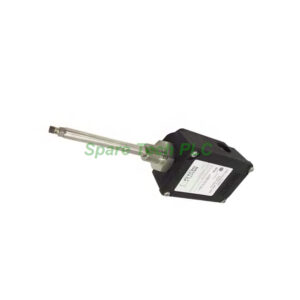
31000 Proximity Probe Housing – Bently Nevada 31000-16-10-00-154-00-02
Product Introduction
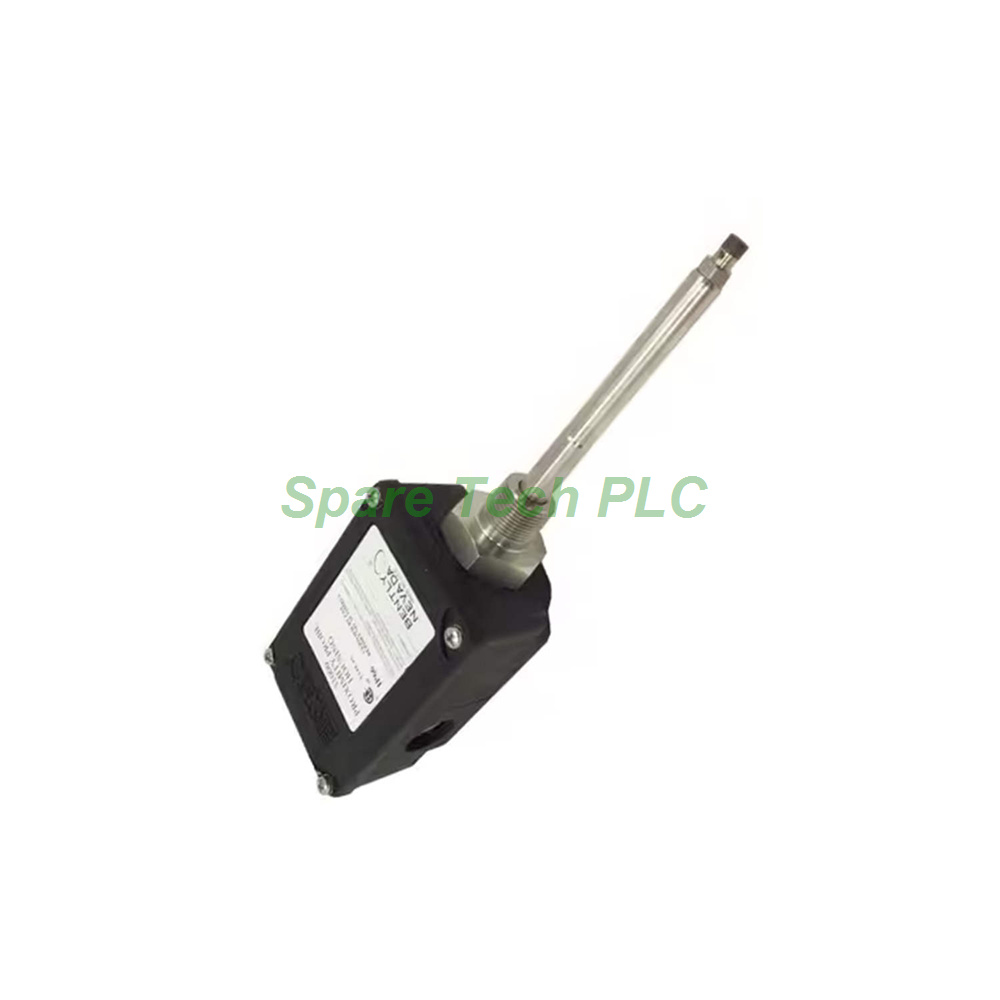
The Bently Nevada 31000-16-10-00-154-00-02 is a robust probe housing engineered to secure and protect a 3300 XL 8 mm proximity probe in demanding industrial settings. Specifically, this housing features an integrated 1.0‑meter probe cable, a 15.4‑inch probe penetration, and a no‑standoff adapter configuration. Therefore, it proves ideal for applications that require deep probe insertion without additional spacing hardware.
Moreover, the glass‑reinforced PPS thermoplastic housing provides outstanding chemical resistance and structural integrity while remaining lightweight. Meanwhile, its IP66 and Type 4X protection ratings guarantee reliable operation in wet, dusty, and corrosive environments. Furthermore, the housing carries CENELEC EN50014 electrostatic dissipation certification, allowing safe installation in hazardous areas where static discharge poses a risk.
For instance, this model includes the 16 probe option (3300 XL 8 mm probe with connector), the 10 cable length option (1.0 metre), and the 154 penetration option (15.4 inches). Additionally, the 00 fittings option indicates that no fittings are supplied, while the 02 mounting thread option specifies 3/4‑14 NPT, which is required when ordering a standoff adapter (though this unit has no standoff).
Protection Ratings and Certifications
The 31000-16-10-00-154-00-02 carries multiple independent certifications that validate its suitability for harsh and hazardous installations. To begin with, the Canadian Standards Association (CSA) has certified this housing to Type 4X rating, which ensures protection against corrosion, falling dirt, rain, sleet, snow, and hose‑directed water. Additionally, testing per SC115582‑1 (e) 106 confirms an IP66 rating, meaning the housing is completely dust‑tight and protected against powerful water jets.
For hazardous area applications, this housing meets CENELEC standard EN50014 for electrostatic dissipation of plastic materials. In fact, this rating prevents static charge accumulation that could ignite flammable gases or dust. Moreover, BASEEFA certification further verifies that the housing withstands two separate 4 Joule (3.0 ft·lb) impacts at both ‑39°C and 115°C, demonstrating exceptional mechanical resilience across the full temperature spectrum. Meanwhile, CSA also verified that samples withstand a 7 Joule (5.2 ft·lb) impact at room temperature.
Construction and Materials
Housing Body – The main housing is molded from glass‑reinforced polyphenylene sulfide (PPS) thermoplastic containing conductive fibers. Specifically, this material offers excellent dimensional stability, chemical resistance, and structural strength while remaining non‑corrosive. Furthermore, the conductive fibers provide the electrostatic dissipation required for hazardous area installations per EN50014.
Hardware and Seals – The sleeve and retaining chain are manufactured from AISI 304 stainless steel, providing good corrosion resistance and mechanical strength. Similarly, the outer sleeve and exterior screws use AISI 303 stainless steel, known for its excellent machinability. Additionally, Neoprene® O‑rings create a positive seal between housing components, preventing moisture, dust, and process contaminants from entering.
Mechanical Strength – The housing demonstrates impressive load‑bearing capacity. For example, in typical testing, the outer sleeve mounted on a test stand with its axis parallel to horizontal supported 912 N (205 lb) placed approximately 38 mm from the unsupported end, with the cover fastened and grounding liner installed. Consequently, this structural integrity ensures that the probe remains stable under vibration and mechanical stress.
Installation Guidelines
Proper installation of the 31000-16-10-00-154-00-02 ensures optimal probe performance and long service life. First, verify that the mounting surface is clean and free of debris. Next, thread the housing into the machine port using the 3/4‑14 NPT mounting thread, applying the recommended retaining nut torque of 29.4 N·m (260 in·lb). In fact, this torque value ensures a secure, leak‑tight seal.
Then, insert the 3300 XL 8 mm probe through the housing, adjusting the penetration to achieve the full 15.4 inches as specified. Since this model has no standoff adapter (option 00), the probe positions directly against the housing’s internal stop. After positioning, tighten the exterior screws to lock the probe in place. Finally, connect the 1.0‑meter probe cable to the extension cable or Proximitor Sensor, ensuring that the connector protector is properly installed to seal against moisture.
For hazardous area installations, always ensure that the housing grounding liner is correctly installed and that the cover is securely fastened. In fact, this step maintains the electrostatic dissipation path required by EN50014. Meanwhile, periodic inspection of the O‑rings and seals is recommended to confirm continued environmental protection.
Packaging List
1 x 31000-16-10-00-154-00-02 31000 Proximity Probe Housing (complete assembly)
1 x 1.0‑m probe cable with connector (pre‑installed)
1 x Grounding liner (pre‑installed)
1 x Installation instruction manual
Shipping method: FedEx, UPS, or DHL (depending on destination and urgency).
Frequently Asked Questions (FAQ)
1. Which probes are compatible with this 31000 housing?
This housing is specifically designed for 3300 XL 8 mm probes, as indicated by the 16 probe option code. Therefore, it will not accommodate other probe diameters without appropriate adapters.
2. Why does this model have no standoff adapter?
The 00 standoff adapter option means this housing provides direct mounting without additional spacing hardware. Consequently, this configuration suits applications where the required probe penetration of 15.4 inches already positions the probe correctly relative to the target.
3. Can this housing be used in Class I Division 1 hazardous areas?
Yes, the housing carries CENELEC EN50014 electrostatic dissipation certification and CSA Type 4X rating. Nevertheless, always verify local regulations and the complete system certification before installation.
4. How do I maintain the IP66 seal over time?
Regularly inspect the Neoprene® O‑rings for signs of wear, cracking, or compression set. Furthermore, replace any damaged seals immediately. Additionally, ensure all cover screws are tightened to the specified torque to maintain the seal integrity.
5. What is the maximum operating temperature for this housing?
The rated temperature range is ‑51°C to +105°C (‑60°F to +221°F). However, exceeding these limits may degrade the PPS material or compromise the seals. For higher temperatures, consult Bently Nevada for alternative housing options.