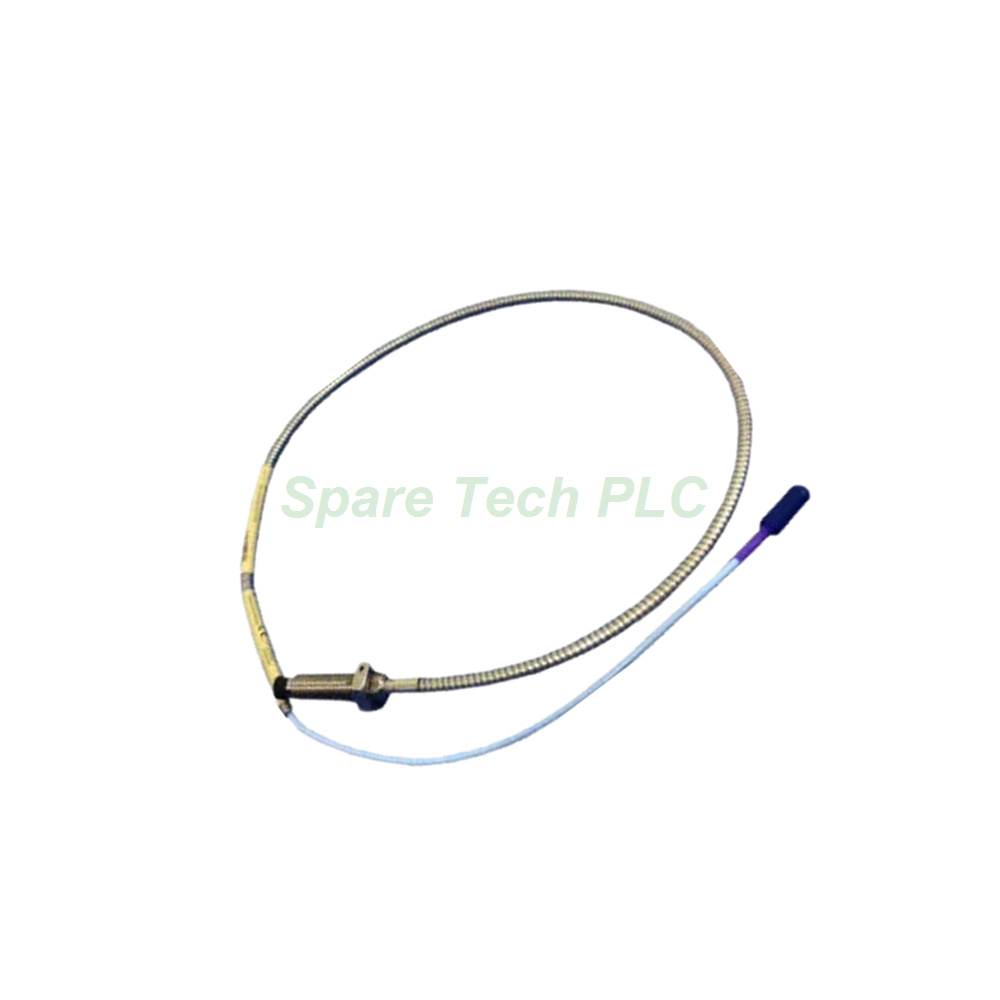
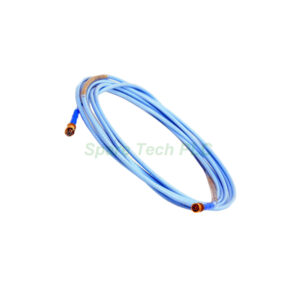
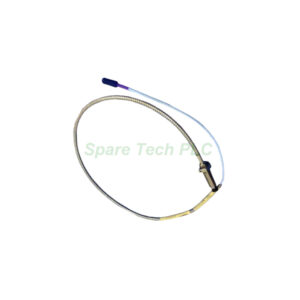
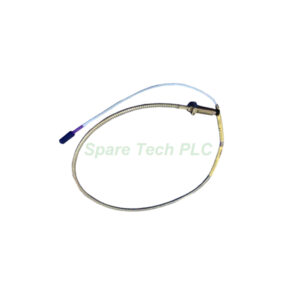
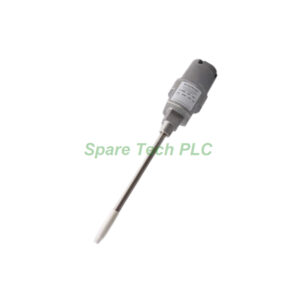
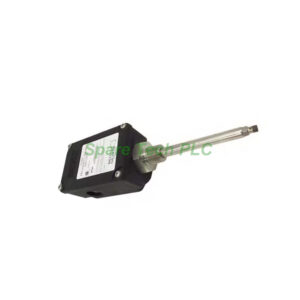
Bently Nevada 330708-00-10-90-02-05 – 3300 XL 11mm Proximity Probe
Product Introduction
The Bently Nevada 330708-00-10-90-02-05 belongs to the trusted 3300 XL series. This 11 mm proximity probe is specifically designed for non-contact vibration and position monitoring of rotating machinery. Consequently, it plays a critical role in predictive maintenance programs for turbines, pumps, and compressors. Its robust construction ensures long-term stability, even in extreme temperatures.
Key Technical Specifications
The Bently Nevada 330708 probe uses a Polyphenylene sulfide (PPS) tip, which resists chemical attack and wear. Additionally, the probe case is made from AISI 304 stainless steel (SST) for superior corrosion resistance. This model includes a 75 Ω triaxial FEP-insulated cable that measures 9.0 meters in total length. Furthermore, the DC resistance from the center conductor to the outer conductor is rated at 8.5 ± 1.1 ohms, ensuring accurate signal transmission. For connectivity, it features a miniature coaxial ClickLoc connector with standard cable, which provides a secure and reliable connection.
Mechanical and Environmental Ratings
Operating and storage temperatures range from -51°C to +177°C (-60°F to +351°F). However, prolonged exposure below -34°C (30°F) may affect the pressure seal’s lifespan. The probe case thread is 5/8-18 UNF, with a maximum thread engagement of 0.938 inches. Meanwhile, the recommended installation torque for the case is 15.2 N•m (133 in•lb), while the maximum rated torque is 45.2 N•m (400 in•lb). Moreover, the connector should only be tightened finger-tight, with a maximum torque of 0.565 N•m (5 in•lb). Lastly, the minimum bend radius for the cable is 25.4 mm (1.0 inch), which prevents signal degradation during routing.
Installation Guidance for the 3300 XL Probe
First, ensure the mounting hole is clean and matches the 5/8-18 UNF thread specification. Next, gently thread the probe into the housing until it reaches the desired gap voltage. Specifically, use a torque wrench to apply the recommended 15.2 N•m to avoid damaging the case. Then, connect the ClickLoc connector by turning it finger-tight only. For optimal performance, route the cable with a bend radius greater than 1 inch. Finally, verify the resistance reading between the center and outer conductors; it should fall within 8.5 ± 1.1 ohms. Remember to avoid exposing the probe tip to excessive physical impact during installation.
Packaging and Shipping Information
Your order includes the following items:
1 x Bently Nevada 330708-00-10-90-02-05 probe assembly with 9m cable
1 x ClickLoc connector (pre-installed)
1 x Installation instruction sheet
All shipments are dispatched via FedEx, UPS, or DHL to ensure fast and trackable delivery. The package is securely cushioned to prevent damage during transit. Please note that calibration certificates and warranty documents are not included in this standard packaging.
Frequently Asked Questions (FAQ)
1. Is the Bently Nevada 330708 probe suitable for submersible applications?
Yes, it is designed to seal differential pressure between the tip and case using a Viton O-ring. However, it is not pressure-tested before shipment. For specific pressure tests, please contact the custom design department.
2. Can I use this probe with an extension cable?
Yes, you can use it with Bently Nevada extension cables, but ensure the total system length and resistance are correctly calculated to maintain measurement accuracy.
3. What is the maximum cable bend radius for this 3300 XL probe?
The minimum bend radius is 25.4 mm (1.0 inch), whether the cable has armor or not. Exceeding this limit may damage the internal conductors.
4. Does the probe work with non-Bently Nevada monitors?
It is optimized for Bently Nevada monitoring systems. While it might function with other 75 Ω systems, we recommend checking compatibility with your specific monitor.
5. How do I clean the probe tip before installation?
Use a soft, lint-free cloth with isopropyl alcohol to gently wipe the PPS tip. Avoid using abrasive materials, as they can scratch the sensing surface.