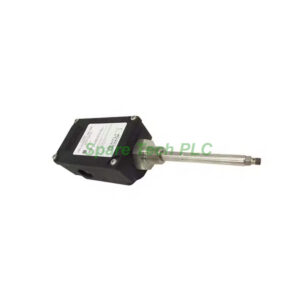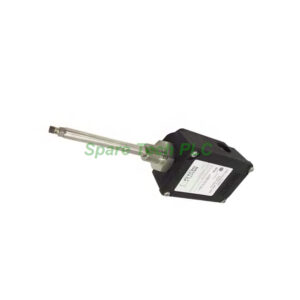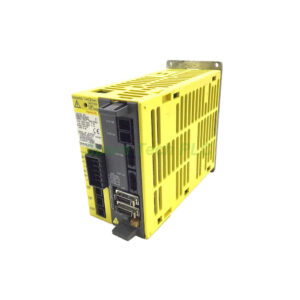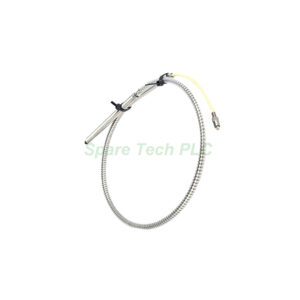

IC200ALG331 4-Channel RTD/Resistance Input Technical Manual
Product Introduction
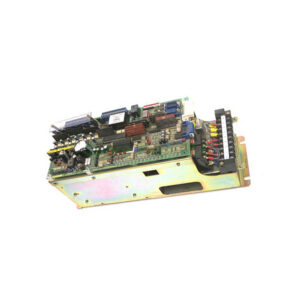
The IC200ALG331 is an analog input module from the GE Fanuc VersaMax series. Specifically, it interfaces with RTD sensors and resistance devices. This module converts resistance signals into digital data for the PLC. It supports various RTD types, including Platinum, Nickel, and Copper. Also, it accepts direct resistance inputs up to 2000 ohms. This versatility makes the IC200ALG331 suitable for many temperature applications. You will find this module in HVAC systems and industrial ovens. Furthermore, it plays a key role in chemical processing plants.
Core Value
This module provides accurate and reliable analog input processing. Firstly, its autocalibration function minimizes drift and errors. This feature reduces the need for manual adjustments. Moreover, the IC200ALG331 offers channel-to-channel isolation. Consequently, this protects the system from electrical noise and faults. The module also supports both 2-wire and 4-wire RTD connections. This flexibility simplifies wiring and improves measurement accuracy. Therefore, you can achieve precise temperature control. Additionally, its compact design saves valuable space in the control cabinet. This module also provides open-circuit detection. This feature alerts you to sensor failures immediately.
Technical Insights
The GE Fanuc IC200ALG331 operates with a 16-bit resolution. This provides high-resolution temperature readings. The module updates all channels every 100 ms. This fast update rate ensures responsive control. Firstly, setting the configuration is easy via the bus. You can choose your sensor type individually per channel. Secondly, you must consider the input impedance. The module's impedance is approximately 10 Megaohms. This ensures minimal loading on the sensor circuit. In addition, maintain the ambient temperature between 0 and 60 degrees Celsius. This keeps the module within its specified accuracy. Furthermore, be aware that the module draws 100 mA from the backplane. Overall, these specs support robust performance.
Installation & Maintenance
Proper installation ensures long module life. Firstly, always power down the system before handling the IC200ALG331. Next, mount the module in a VersaMax carrier. Use the locking tabs to secure it firmly. For wiring, use shielded twisted-pair cables. This minimizes electromagnetic interference. Connect the cable shield to the ground terminal. Specifically, ensure you apply the correct torque to terminal screws. The recommended torque is 0.56 Nm. For 4-wire connections, connect both sense and excitation wires. This compensates for lead resistance. After installation, verify the configuration with the PLC. Also, inspect the wiring for any loose connections periodically. In addition, check the module status LED for errors. A steady green light indicates normal operation. Consequently, these checks prevent unexpected downtime.

Buyer’s Guide FAQ
Q1: What is the part number for this analog input module?
A: The precise part number is GE Fanuc IC200ALG331. It is a 4-channel RTD/resistance input module.
Q2: Which sensor types does the IC200ALG331 support?
A: The IC200ALG331 supports Platinum (385, 392), Nickel, and Copper RTDs. It also accepts direct resistance inputs up to 2000 ohms.
Q3: Can the IC200ALG331 be used with 2-wire RTDs?
A: Yes. This module supports both 2-wire and 4-wire RTD connections. For 2-wire use, you must install a jumper wire on the terminal block.
Q4: What is the typical update time for this module?
A: Typically, the IC200ALG331 updates all four input channels in under 100 milliseconds.
Q5: How do I troubleshoot a faulty input on this module?
A: Firstly, check the wiring and sensor continuity. In addition, verify the configuration in the PLC software. Also, inspect the module's LED status for a fault indication.