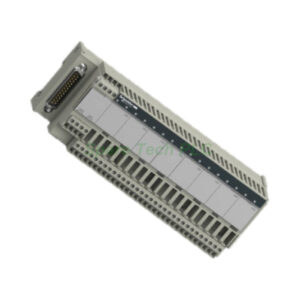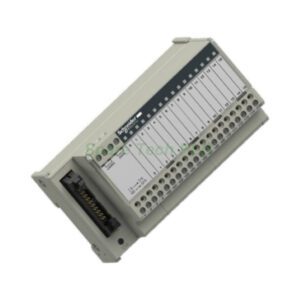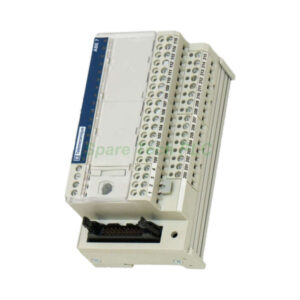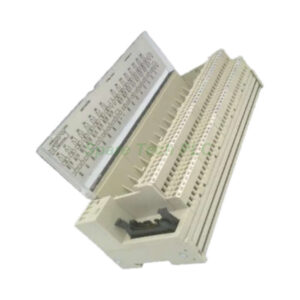
The ADV551-P53/D5A00 delivers stable and reliable digital control signals for DCS-based process automation systems.
Full galvanic isolation eliminates ground loops and protects the controller from field electrical interference and surges.
High channel density reduces cabinet space requirements and lowers overall wiring and installation costs.
Multiple output modes support diverse field control requirements with a single module type.
G3 corrosion resistance ensures stable performance in harsh and corrosive industrial environments.
Technical Insights
High-Density Isolated Output Design
The ADV551-P53/D5A00 provides 32 isolated digital output channels in a compact form factor.
Each channel supports 24 V DC sinking output with independent load driving capability.
Full electrical isolation prevents cross-channel interference and improves system safety.
High-density design reduces hardware quantity and simplifies cabinet layout in large-scale projects.
Multi-Mode Output Flexibility
This module supports standard status output, pulse width output, and time-proportional control modes.
Flexible mode configuration meets different control logic requirements for valves, actuators, and indicators.
Independent channel setting allows mixed-mode operation within a single module.
This versatility reduces module types and lowers inventory and maintenance costs.
Harsh Environment Compatibility
The ADV551-P53/D5A00 features G3 conformal coating to resist corrosive gases in industrial sites.
It operates stably in a wide temperature range from -20°C to +70°C.
Strong anti-interference performance ensures reliable output near motors, drives, and high-voltage equipment.
Durable design extends service life and reduces failure rates in long-term field operation.
Installation & Maintenance
DIN Rail Mounting & Wiring
Install the ADV551-P53/D5A00 on standard DIN rails in a protected control cabinet.
Use dedicated terminal blocks for reliable field wiring connection.
Route output cables separately from high-voltage power lines to reduce electromagnetic interference.
Ground cable shields at a single point to avoid ground loops and signal distortion.
System Configuration Practice
Configure channel output modes and fail-safe states through CENTUM system engineering software.
Set proper communication parameters and node addresses before system power-up.
Download configuration to the controller and verify module communication status.
Test output actions and fault response logic before formal operation.
Routine Inspection & Diagnostics
Check module status LEDs weekly to confirm normal operation and fault-free status.
Review system diagnostic logs monthly to detect potential channel or communication issues.
Inspect terminal screws quarterly to ensure tight connections and prevent intermittent faults.
Clean dust from the module and cabinet regularly to maintain stable heat dissipation.
Buyer’s Guide FAQ
Is ADV551-P53/D5A00 compatible with CENTUM VP systems?
Yes, the ADV551-P53/D5A00 is fully compatible with Yokogawa CENTUM CS 3000 and CENTUM VP DCS systems.
It uses a native backplane interface for direct plug-and-play installation without extra adapters.
What output modes does this module support?
The ADV551-P53/D5A00 supports standard status output, pulse width output, and time-proportional control modes.
Each channel can be configured independently to meet diverse field control requirements.
Does the module support hot-swap operation?
Yes, the ADV551-P53/D5A00 supports hot insertion and removal without shutting down the DCS system.
This feature reduces process downtime during module replacement and maintenance.