
TM5SDO16T Schneider Electric: Digital Output Module Technical Guide
Product Introduction
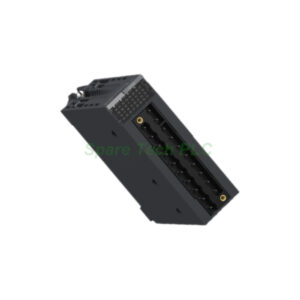
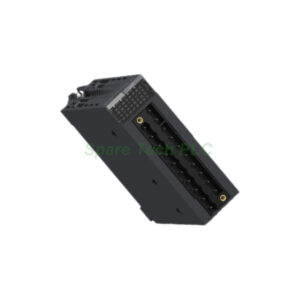
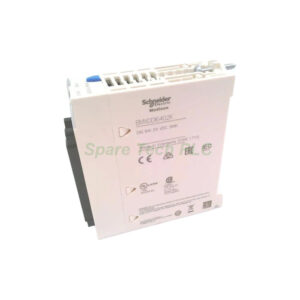
The TM5SDO16T is a digital output slice in the Schneider Electric Modicon TM5 modular I/O family. It offers 16 discrete transistor outputs rated at 24 VDC and arranges them in two electrically isolated groups of eight channels. Every channel carries short-circuit and overload protection, and the module reports diagnostics back to the TM5 bus controller.
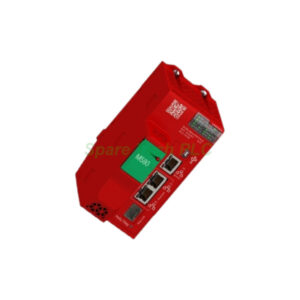
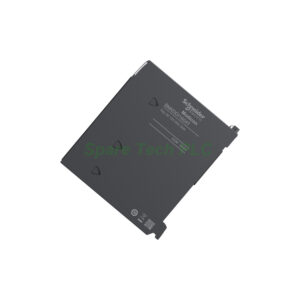
The module snaps directly onto the TM5 bus base and terminal base assembly, which carries both the internal communication bus and the field wiring terminals. This slice-based architecture lets engineers build a distributed I/O island that matches the exact point count of the machine, then extend it later without replacing the existing rack.
Typical host controllers include Modicon M258, LMC058 and M262 logic controllers, with the TM5 island connecting over the local TM5 bus or through fieldbus couplers such as EtherNet/IP, Modbus TCP, PROFIBUS DP or CANopen.
Core Value
The primary value of the TM5SDO16T is density with diagnosability. Sixteen outputs occupy a single slice width, which reduces panel space and cabinet cost compared with discrete relay solutions. Because the outputs use transistor technology rather than mechanical relays, there are no moving contacts to wear out, so the module achieves a very high mechanical service life and fast switching response suitable for PWM-style or high-cycle actuation duties.
Electrical isolation between output groups lets a machine mix loads referenced to separate 0 V returns, or separate a safety-related group from a standard group. Per-channel diagnostics let the controller distinguish an open load, a short circuit or an overload, so maintenance staff can go straight to the failed field device instead of troubleshooting an entire panel.
The module also supports hot-swap style replacement in suitably designed TM5 islands, which shortens mean time to repair on continuous processes.
Technical Insights
The output type is transistor, sourcing (positive switching), so the load return connects to 0 V and the output terminal supplies +24 VDC when the channel receives an ON command. The nominal load voltage is 24 VDC in the standard industrial range, and each channel handles a continuous output current of approximately 0.5 A, with a higher short-duration inrush capability that absorbs the pick-up current of lamps and small contactors.
Two groups of eight outputs each have their own supply and common terminals. Group isolation means a fault or supply loss on one group does not disable the other. Engineers must observe total module current and size the upstream 24 VDC supply and the TM5 power distribution module for the sum of all simultaneous loads plus the module's own bus current consumption.
Protection features include short-circuit protection, overload protection and thermal shutdown with automatic recovery once the fault disappears. Diagnostic status travels through the TM5 bus to the controller, where it appears in the programming environment as channel-level status bits. The switching frequency suits standard discrete control and moderate-speed pulse duties; for high-frequency motion or very fast registration tasks, engineers should select dedicated fast output or motion modules instead.
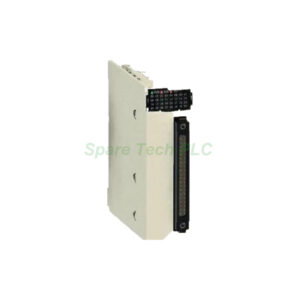
Field wiring lands on the TM5 terminal base, which accepts a removable coding key so that a terminal block cannot plug into the wrong slice. The system accepts wire cross-sections commonly in the 0.08 to 2.5 mm² range, and technicians should take the recommended stripping length and torque values from the current TM5 system manual for the specific terminal base in use.
Installation & Maintenance
Installation begins with verifying that the TM5 island is de-energized and that the 24 VDC field supply is isolated. Mount the bus base and terminal base on the DIN rail, confirm the bus base connectors fully engage across adjacent slices, then seat the TM5SDO16T onto the assembly until it locks. Never hot-plug a slice onto a live bus unless the island explicitly carries that rating.
Wire the +24 VDC field supply to the group supply terminals and the load returns to 0 V. Keep output wiring separated from analog and communication cabling, and fit flyback or freewheeling diodes across inductive loads such as solenoid valves and relays to limit switch-off transients. For long cable runs, verify voltage drop at the load; a 24 VDC supply measuring correctly at the panel may sit well below the minimum operating voltage at the far end of a long actuator cable.
Commissioning should include a point-to-point output test with all field devices disconnected, followed by a test with actual loads connected, checking for correct channel mapping and watching the diagnostic status in the controller. Document the channel assignment and keep it with the panel drawing.
Routine maintenance is minimal because there are no relay contacts. Periodically check terminal torque, inspect for discolored or heat-damaged wiring, verify the 24 VDC supply sits within tolerance, and clear dust from the cabinet filters and heat sinks. When a channel reports a persistent overload, isolate the field circuit and measure load resistance before replacing the slice; the module is usually the victim rather than the cause. Keep spare terminal bases and a spare slice in stores, and record the firmware and configuration file version used on each island.

Buyer's Guide FAQ
What is the Schneider Electric TM5SDO16T used for?
It is a 16-channel, 24 VDC transistor digital output slice for the Modicon TM5 I/O system, used to switch relays, solenoid valves, contactors, lamps and similar discrete loads in machine and process automation.
How many outputs does the TM5SDO16T provide and how are they grouped?
It provides 16 sourcing transistor outputs arranged in two isolated groups of eight channels, each group with its own supply and common terminals.
What is the output current rating per channel?
Each channel typically handles around 0.5 A continuous at 24 VDC, with inrush capability for lamps and small inductive loads and built-in short-circuit and overload protection. Confirm exact limits in the current datasheet for the revision in use.
Which controllers and networks can host the TM5SDO16T?
It works in Modicon TM5 islands controlled by M258, LMC058 and M262 families, or connected through TM5 fieldbus couplers for EtherNet/IP, Modbus TCP, PROFIBUS DP and CANopen networks.
Can the TM5SDO16T drive inductive loads such as solenoid valves directly?
Yes, provided the load current stays within the channel rating and a flyback diode or suitable suppression sits across the inductive load to protect the output transistor.