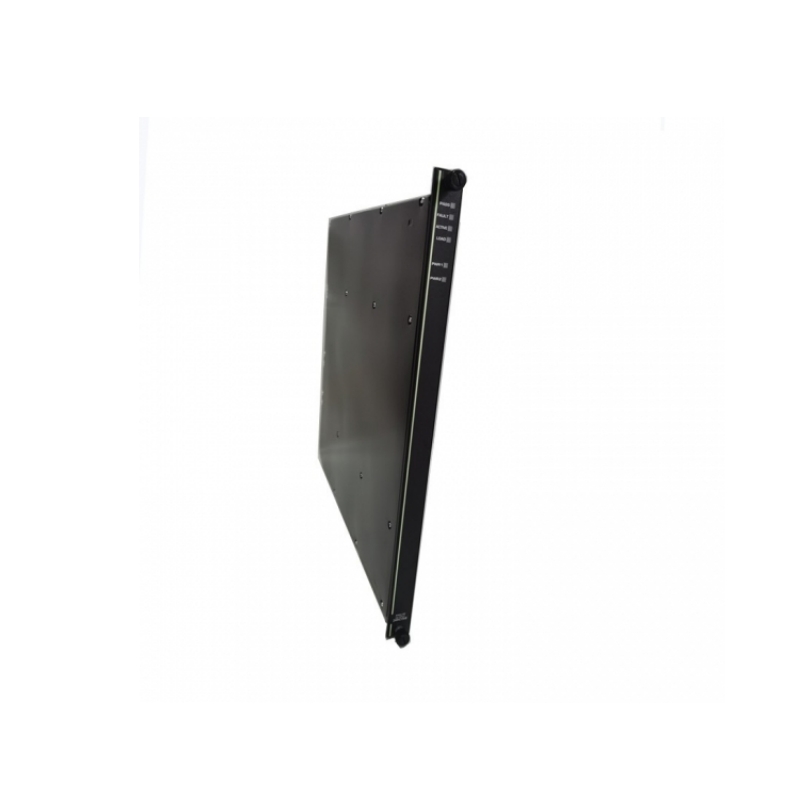
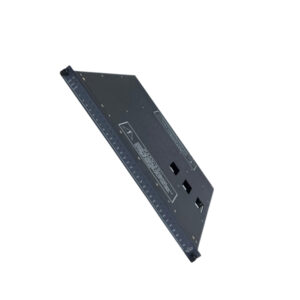
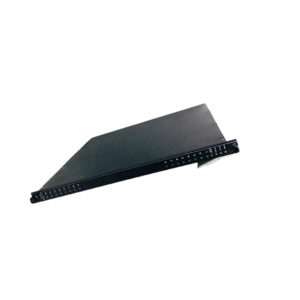
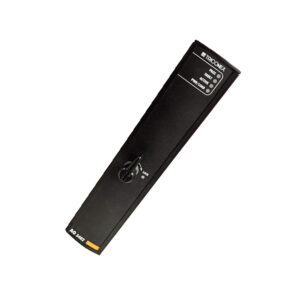
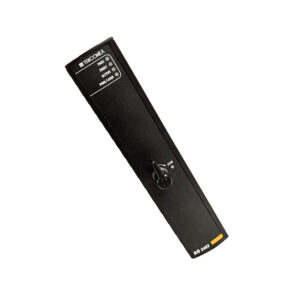
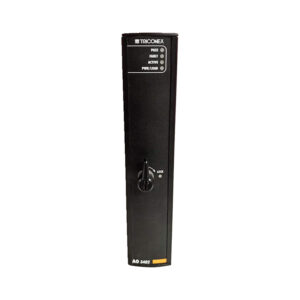
Triconex 3381 Pulse Input Module
The Triconex 3381 Pulse Input module serves as a high-integrity interface for monitoring the rotational speed of industrial machinery. Specifically, the module features <span style="color: blue;">six high-frequency inputs</span> designed to accept voltage transitions from magnetic speed sensors. The hardware employs three isolated sets of electronics to process incoming pulses independently across three redundant channels. These channels transmit the processed data to the main processors, where a voting algorithm ensures total data accuracy. Therefore, the Triconex 3381 remains a fundamental component for over-speed protection and speed regulation in high-speed turbomachinery.
High-Frequency Signal Processing
Regarding technical performance, the module handles a wide range of frequencies to suit various gear tooth configurations. Specifically, the Triconex 3381 supports an input frequency range from <span style="color: red;">0.5 Hz to 32 kHz</span>. The unit utilizes a gear-multiple tracking algorithm to optimize the measurement of input pulses regardless of the shaft speed. Meanwhile, the module maintains a high 24-bit resolution to ensure precise velocity calculations for the control system. Additionally, the internal circuitry incorporates de-bounced edge detection to prevent erroneous counts caused by waveform distortion. Consequently, the processor delivers reliable RPM values even during rapid speed ramps of up to 4,000 RPM per second.
Robust Sensor Compatibility
The Triconex 3381 offers broad compatibility with common industrial speed sensors including magnetic, active, and open-collector types. For instance, the module can interface with non-amplified magnetic pickups that produce <span style="color: blue;">sinusoidal signals</span> as gear teeth move past the sensor. Specifically, the differential inputs handle a maximum operating voltage of ±33 VDC while maintaining sensitivity to signals as low as 500 mV. Moreover, the module baseplate allows for the configuration of pull-up and termination resistors to match specific field sensor requirements. Therefore, the module provides a versatile solution that integrates seamlessly with existing turbine and compressor instrumentation.
Technical Specifications
Regarding hardware capabilities, the Triconex 3381 delivers an exceptionally low absolute error of ±0.01% for high-frequency measurements. Specifically, the module supports a minimum scan update rate of <span style="color: red;">20 ms</span> to provide real-time feedback for fast control loops. Furthermore, the unit provides robust electrical isolation of 800 VDC between the functional logic and the earth ground. In addition, the internal diagnostics perform ongoing precision reference tests to verify the health of each redundant channel. These specifications allow the module to function effectively in a <span style="color: blue;">Triple Modular Redundant (TMR)</span> environment while surviving single hardware faults.
Mechanical and Environmental Parameters
Specifically, the Triconex 3381 features mechanical keying to prevent improper installation into a non-compatible baseplate. The module is engineered for continuous operation and supports the inclusion of a hot-spare unit for live maintenance. Furthermore, the front panel includes a Fault indicator that identifies specific channel failures without signaling a complete module shutdown. This design allows the safety system to continue operating properly even in the presence of an internal diagnostic alarm. Finally, the module utilizes high-quality internal components to ensure stability across a <span style="color: blue;">20% to 80% duty cycle</span> for incoming pulse signals.
Installation Guide
First, verify that the Model 2381 PI Baseplate is correctly installed and configured for your specific sensor type. Next, align the Triconex 3381 with the mechanical keys on the baseplate and slide the module into position. After that, secure the module using the locking mechanisms to establish a reliable connection with the triplicated TriBus. Furthermore, use the TriStation software to configure the number of gear teeth, which can range from <span style="color: red;">1 to 255</span>. Finally, observe the ACTIVE LED to confirm that the module is communicating and monitor the diagnostic indicators for any channel-specific faults.
Packaging List
1 x Triconex 3381 Pulse Input Module (6-Point)
Factory-Sealed Anti-Static Protective Bag
Shipping Carrier: Fedex, UPS, DHL
FAQ
Q: What is the maximum frequency the 3381 module can measure? Specifically, the Triconex 3381 can count over <span style="color: red;">32,000 transitions per second</span> (32 kHz) for high-speed applications.
Q: Can I use this module with an active magnetic pickup? Yes, the module is fully compatible with magnetic, active, and <span style="color: blue;">open-collector</span> speed sensors commonly used on rotating equipment.
Q: What happens if one of the three redundant channels fails? Specifically, the Fault indicator will turn on, but the module will continue to operate correctly by using the remaining <span style="color: blue;">two healthy channels</span>.
Q: How many gear teeth can be configured in the software? The Triconex 3381 supports configurations ranging from 1 to 255 gear teeth to provide accurate RPM calculations.
Q: Does the module support hot-spare replacement? Absolutely, the module supports hot-spare configurations to allow for seamless hardware replacement without stopping the machine.