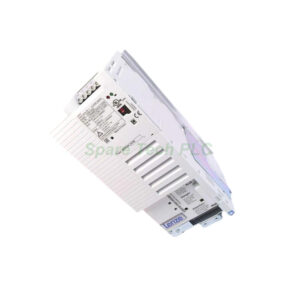
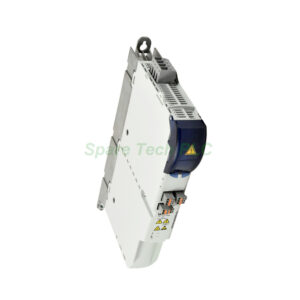
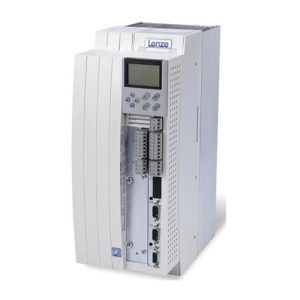
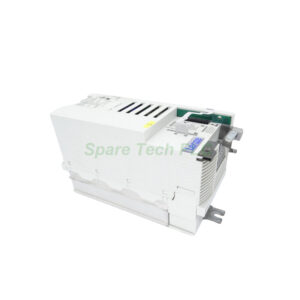
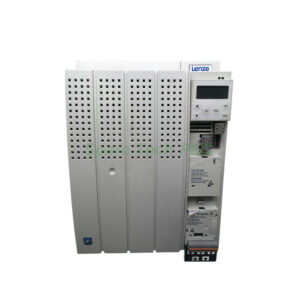
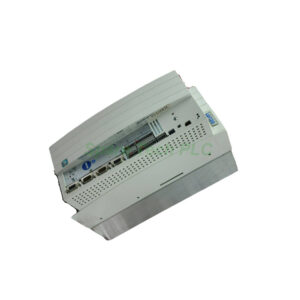
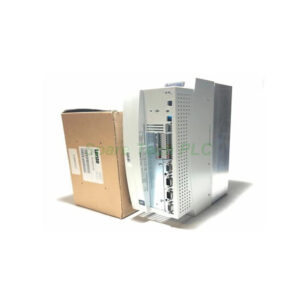
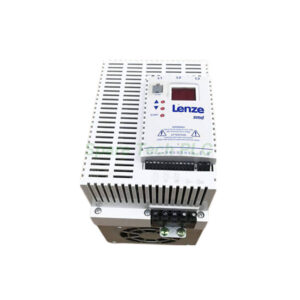
Lenze EMB9351-E Inverter Braking Module
Product Introduction
The Lenze EMB9351-E is a dedicated braking module for inverter DC link applications. It absorbs regenerative energy when a motor decelerates quickly. You connect this unit directly to the DC bus of a frequency inverter. Once the DC voltage exceeds a set threshold, the module activates an internal braking resistor. This process converts mechanical energy into heat safely. Therefore, the Lenze EMB9351-E prevents overvoltage faults and protects your drive system.
Technical Specifications
DC Supply Voltage Range
The Lenze EMB9351-E accepts a wide supply voltage from 270V DC to 775V DC. This flexibility matches many common inverter DC bus levels. For example, 400V AC drives typically produce around 565V DC. Similarly, 480V AC systems generate nearly 678V DC. In both cases, this braking module works without additional components.
Trigger Threshold Options
You can select one of three precise threshold voltages. The first option is 375V DC, suitable for 230V class drives. The second option is 725V DC, ideal for 400V to 480V drives. The third option is 765V DC, which allows higher DC bus ripple before braking. Simply set a DIP switch on the module to choose the desired threshold.
Peak and Continuous Power Ratings
At the 375V threshold, the peak braking power reaches 3 kW. For the 725V setting, peak power jumps to 11 kW. At 765V, the peak power hits 12 kW. However, the continuous braking power stays at only 100 W across all thresholds. This means the module handles short, intense stops but needs long cooling breaks. The minimum brake resistance allowed is 47 Ohms internally.
Energy and Overload Capacity
The maximum braking energy per cycle equals 50 kWs (kilowatt-seconds). After each braking event, you must wait at least 20 minutes before another cycle of the same energy. Otherwise, the internal resistor may overheat. For frequent stopping applications, we recommend adding an external braking resistor with higher continuous rating.
Derating and Environmental Conditions
Temperature Derating
The Lenze EMB9351-E operates normally between 0°C and 40°C. Above 40°C up to 50°C, you must reduce the power by 2% per Kelvin (degree). For instance, at 45°C, the peak power drops by 10%. Never exceed 50°C ambient temperature.
Altitude Derating
From 1000 meters above mean sea level up to 4000 meters, derate the power by 5% per 1000 meters. At 3000m altitude, reduce the rated power by 10%. This compensates for thinner air and reduced cooling efficiency.
Mechanical Data and Weight
This braking module weighs exactly 2.6 kg. Its compact metal housing measures approximately 170mm high, 75mm wide, and 140mm deep. You can mount it on a standard DIN rail or directly on a backplate. For optimal cooling, keep 50mm free space around all sides.
Packaging List
Note: No certificates or warranty documents are included in the package.
Shipping Information
We ship all orders via FedEx, UPS, or DHL. Delivery typically takes 3 to 7 business days worldwide. You will receive a tracking number within 24 hours after dispatch. The shipping weight with packaging is approximately 3.1 kg.
Frequently Asked Questions (FAQ)
1. Can the Lenze EMB9351-E work with a 690V AC drive system?
No, the maximum DC input is 775V DC. A 690V AC drive produces about 975V DC. This exceeds the module's rating. Use a higher voltage braking unit instead.
2. What happens if I trigger the module repeatedly every 5 minutes?
The Lenze EMB9351-E will overheat gradually. Its thermal protection will shut down the braking function. You must wait 20 minutes between high-energy cycles. For frequent braking, add an external resistor with higher continuous power.
3. Is the internal 47 Ohm resistor replaceable?
No, the internal resistor is fixed and non-serviceable. Once it fails, you must replace the whole Lenze EMB9351-E module. For heavy-duty cycles, we suggest using an external resistor instead of the internal one.
4. Can I parallel two EMB9351-E units for double power?
Yes, you can parallel two identical modules. Set both to the same threshold voltage. Connect their DC inputs together. Their outputs can share one external resistor. However, do not exceed the combined cable ratings.