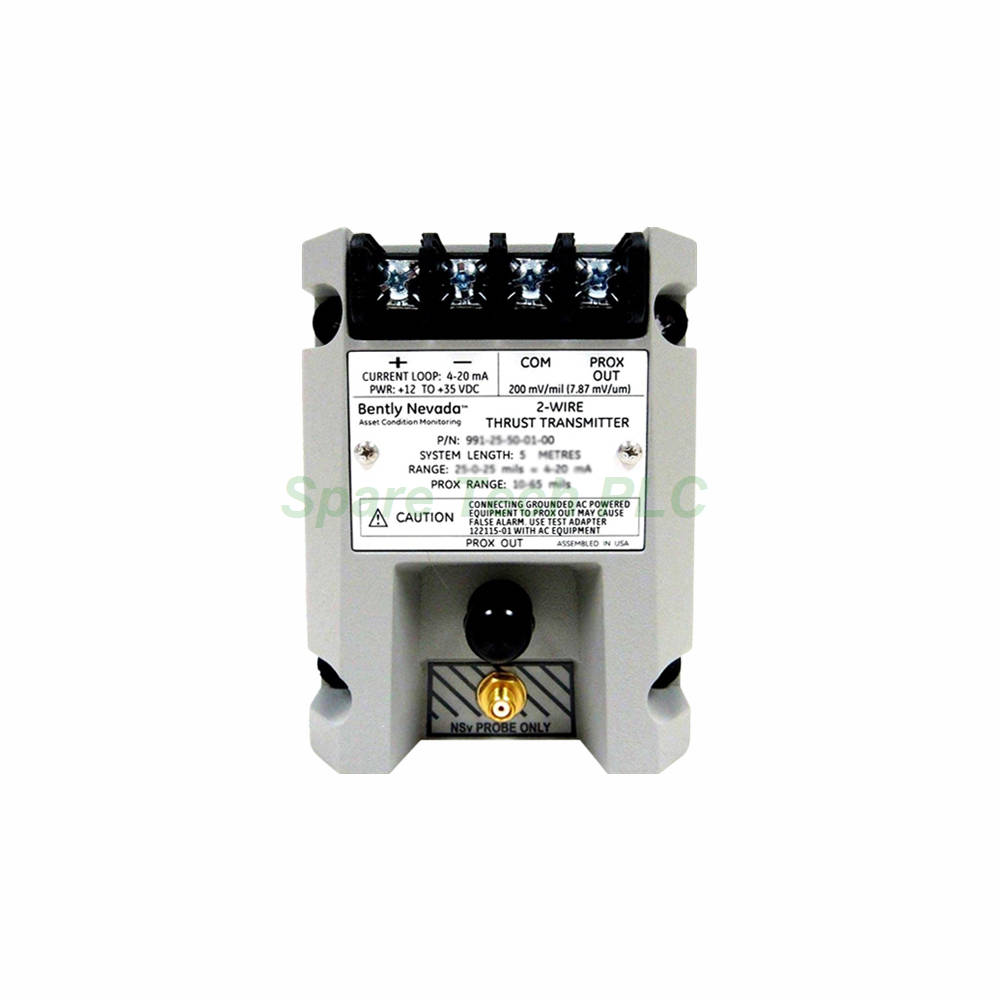
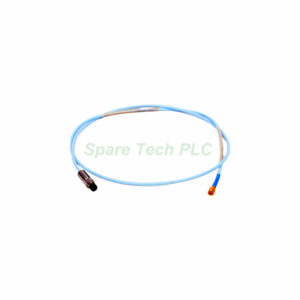
Bently Nevada 991 Thrust Transmitter for Axial Position Monitoring
Product Introduction
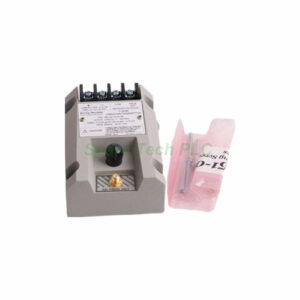
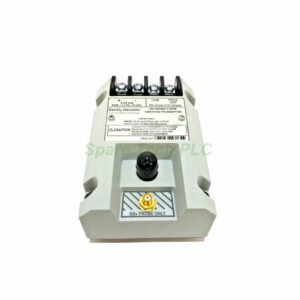
The 991-25-70-02-01 belongs to the Bently Nevada 991 series of thrust transmitters. This device converts axial displacement signals from a 3300 NSv proximity probe into a standard 4-20 mA current loop output. Specifically, it serves OEMs of centrifugal air compressors, small pumps, motors, and fans that require a simple proportional thrust signal for their control systems. Moreover, the transmitter integrates the Proximitor function internally, eliminating the need for external signal conditioning modules.
Key Technical Specifications
The 991-25-70-02-01 operates as a loop-powered device requiring +12 to +35 Vdc at the transmitter terminals. Its full-scale range is 25-0-25 mils (0.6-0-0.6 mm), with a linear range of 0.25 to 1.65 mm for the Prox Out signal. Meanwhile, the 4-20 mA output accuracy stays within ±1.5% over the specified full-scale range.
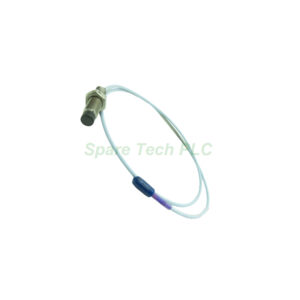
The transmitter accepts input from one non-contacting 3300 NSv proximity probe and its matching extension cable. The system length option -70 denotes a 7.0-meter (23.0-foot) cable length. Furthermore, current limiting occurs at 23 mA typical, and the maximum loop resistance is 1,000 Ω including cable at 35 Vdc.
Additionally, the Not OK/Signal Defeat circuit drives the output below 3.6 mA within 100 µs after a fault occurs. Signal restoration happens within 0.1 seconds after the fault clears. This rapid fault response prevents false alarms caused by probe failure or loose connections.
Mechanical and Environmental Parameters
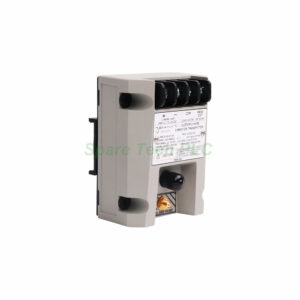
The transmitter mounts via bulkhead screws (option -02). Its compact housing suits DIN rail or panel mounting in machinery protection cabinets. The operating temperature range spans -35°C to +85°C (-31°F to +185°F), while storage temperature extends from -51°C to +100°C (-60°F to +212°F). Weighing just 0.43 kg (0.9 lbm), the unit ships at minimal freight cost.
The -01 agency approval option provides CSA Division 2 certification for installation in hazardous classified areas. Therefore, users can deploy this transmitter in petrochemical and oil & gas environments where flammable vapors may be present.
Installation Guide
First, verify that the mounting surface remains level to avoid mechanical bias in the sensor response. Next, secure the transmitter using the supplied bulkhead screws. Connect the 3300 NSv probe and extension cable to the transmitter input. Then, wire the 4-20 mA loop observing correct polarity for the 2-wire configuration.
Route the probe coaxial cable through grounded conduit to minimize electromagnetic interference. Ensure that the input voltage at the transmitter terminals never exceeds 35 Vdc to protect internal circuitry. Finally, perform a loop check using the TEST input to verify output accuracy across the full-scale range.
Packaging List
1 × Bently Nevada 991-25-70-02-01 Thrust Transmitter
1 × Bulkhead mounting screw set
1 × Technical documentation folder
FAQ
Q1: What does the -70 suffix mean on this model?
A1: The -70 indicates a 7.0-meter (23.0-foot) system length between the probe and transmitter. Do not cut or extend this factory-tuned cable.
Q2: Can this transmitter work with probes other than the 3300 NSv?
A2: No. The 991-25-70-02-01 is calibrated specifically for Bently Nevada 3300 NSv proximity probes and matching extension cables.
Q3: What happens if the probe cable breaks during operation?
A3: The Not OK circuit drives the output below 3.6 mA within 100 µs, alerting the control system to a fault condition.
Q4: Does the CSA Division 2 approval require special wiring?
A4: Yes. Installations in hazardous areas must follow local electrical codes for Division 2 wiring methods, including appropriate conduit seals.
Q5: How do I verify the transmitter output without running the machine?
A5: Use the TEST input terminals to inject a simulation signal. The output should track proportionally across the 4-20 mA range within ±1.5% accuracy.