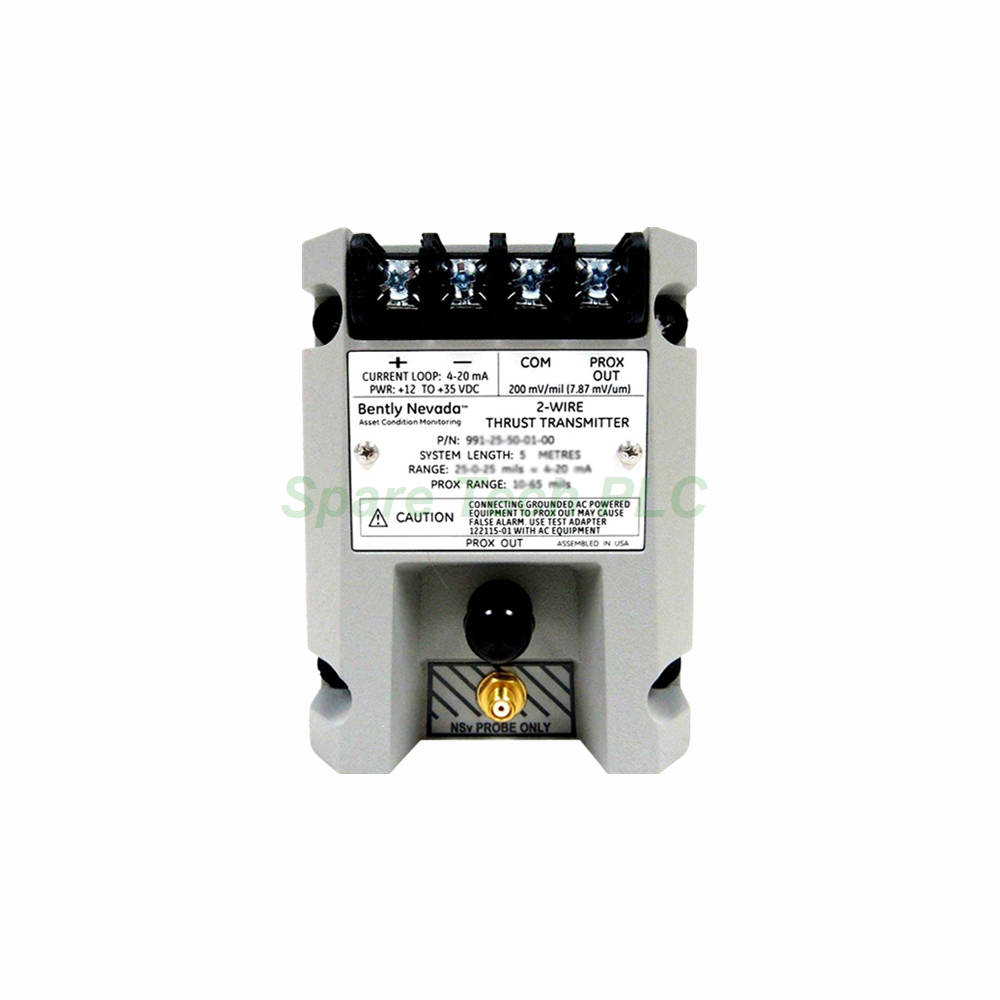
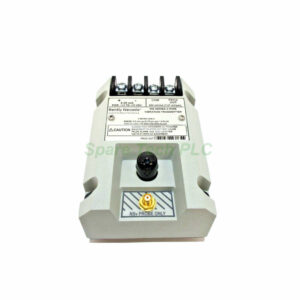
991-06-70-02-05 Thrust Transmitter
Product Introduction
The 991-06-70-02-05 belongs to Bently Nevada's reputable 991 series of thrust transmitters. This device accepts input from a non-contacting 3300 NSv proximity probe and then converts that signal into a standard 4-20 mA output. Therefore, it integrates seamlessly with PLCs, DCS systems, and other industrial control platforms. For axial position monitoring in rotating machinery, this transmitter provides a reliable solution. Turbines, compressors, and pumps all benefit from its precise measurement capabilities.
This particular model offers a 0.6-0-0.6 mm full-scale range and a 7.0-meter (23.0 feet) system length. Additionally, the "05" agency approval option signifies compliance with CSA Division 2, ATEX Zone 0, ATEX Zone 2, and ABS maritime standards. Consequently, this transmitter suits both hazardous areas and marine environments. Its compact DIN rail mounting design also simplifies installation in control cabinets and junction boxes.
Technical Specifications
The electrical performance of the 991-06-70-02-05 follows precisely defined parameters. It requires a +12 to +35 Vdc input at the transmitter terminal. In turn, it delivers a 4 to 20 mAdc output over the specified full-scale range. The 4-20 mA loop accuracy stays within ±1.5% over the full scale range. Specifically, we measure this accuracy from the TEST signal input to the voltage across a 250 Ω loop resistance. The maximum loop resistance reaches 1,000 Ω, including cable, at 35 Vdc. For long-distance signal transmission, this specification provides considerable flexibility.
Current limiting operates at 23 mA typical, offering protection against short circuits and overcurrent conditions. Moreover, the zero and span adjustments are non-interacting external controls. For calibration and setup, this feature simplifies the process considerably. The linear range spans from 0.25 to 1.65 mm for the Prox Out signal. Meanwhile, this range suits 0.6-0-0.6 mm current loop linear ranges perfectly. The Not OK/Signal Defeat feature ensures the output drops to less than 3.6 mA within 100 µs after a fault condition occurs. Likewise, restoration happens within 0.1 seconds after the fault clears.
Environmental Limits
Understanding the environmental limits proves essential for reliable operation. The transmitter operates in temperatures from -35°C to +85°C (-31°F to +185°F) . Furthermore, it withstands storage temperatures between -51°C and +100°C (-60°F to +212°F) . This wide temperature range makes it suitable for various industrial environments. Outdoor installations and harsh process areas both benefit from this thermal resilience. The transmitter weighs 0.43 kg (0.9 lbm), which is lightweight and easy to handle during installation.
Hazardous Area Approvals
One key feature of the 991-06-70-02-05 is its comprehensive certification package. The "05" agency approval option signifies compliance with multiple stringent standards. For instance, it carries CSA Division 2 certification for Class I, Division 2 hazardous locations. Additionally, it holds ATEX Zone 0 certification for continuous explosive atmospheres. Moreover, ATEX Zone 2 certification covers occasional explosive atmospheres. Finally, ABS maritime approval verifies its suitability for marine and offshore applications. These certifications make this transmitter a reliable choice for oil and gas, chemical processing, and maritime installations. In these environments, safety remains paramount.
Installation and Mounting Guide
Proper installation of the 991-06-70-02-05 ensures optimal performance and safety. The transmitter mounts on a standard DIN rail, which simplifies integration into control cabinets. First, secure the DIN rail to the mounting surface. Next, clip the transmitter onto the rail and ensure it locks firmly in place. Then, connect the proximity probe and extension cable to the input terminals. After that, wire the 4-20 mA output to your control system or indicator.
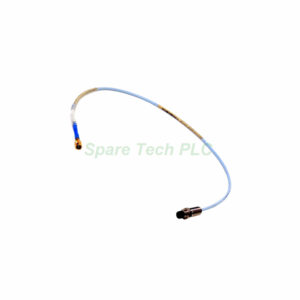
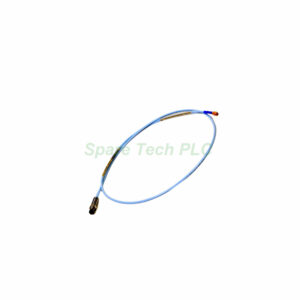
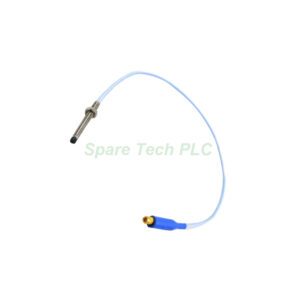
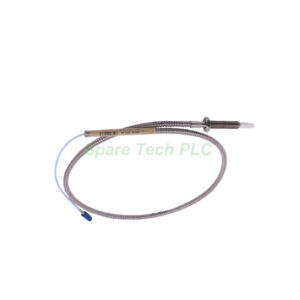
For field wiring, we recommend using shielded cable to minimize electromagnetic interference. The transmitter accepts input from a single non-contacting 3300 NSv proximity probe and extension cable. Meanwhile, the recommended power supply voltage is +12 to +35 Vdc at the transmitter terminal. Furthermore, we suggest performing a calibration check after installation. Using the external zero and span adjustments helps ensure accurate readings. Finally, verify that all connections are tight and properly insulated to prevent signal degradation.
Packaging List
Your shipment for the Bently Nevada 991-06-70-02-05 includes:
1 x 991 Thrust Transmitter (DIN rail mount)
1 x Mounting hardware kit (bulkhead screws)
Installation and configuration instruction sheet
Frequently Asked Questions (FAQ)
1. What type of probe does this transmitter work with?
The 991-06-70-02-05 accepts input from a non-contacting 3300 NSv proximity probe and its associated extension cable. The system length option is 7.0 meters.
2. What output signal does this transmitter provide?
This transmitter delivers a standard 4-20 mAdc output signal in a 2-wire configuration. The signal corresponds to the axial position of the monitored shaft.
3. What approvals does this model carry?
The "05" approval option includes CSA Division 2, ATEX Zone 0, ATEX Zone 2, and ABS maritime certification. Therefore, it suits hazardous and marine applications.
4. What happens during a Not OK condition?
The signal output drops to less than 3.6 mA within 100 µs after a Not OK condition occurs. Likewise, the output restores within 0.1 seconds after the fault clears.
5. What shipping methods are available for this item?
We ship all orders via FedEx, UPS, or DHL, depending on your location and preference. All packages are fully insured and tracked.