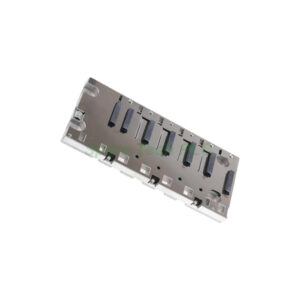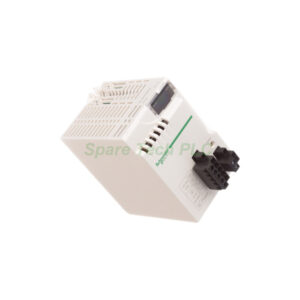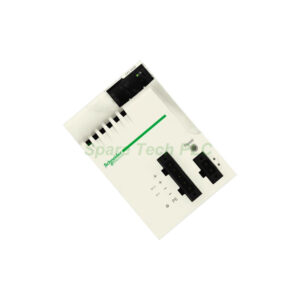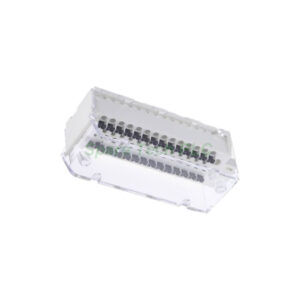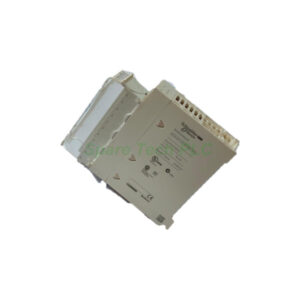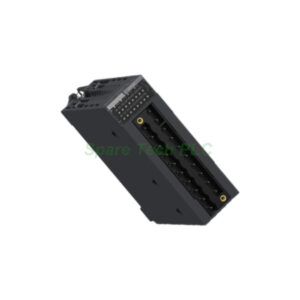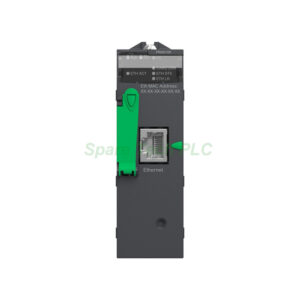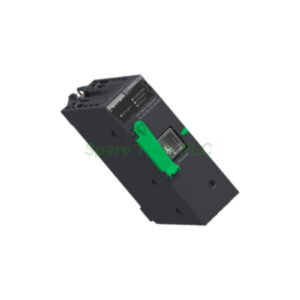

The 990-04-XX-01-00 delivers accurate vibration data to detect early faults in rotating equipment.
It eliminates complex wiring by using a 2‑wire loop‑powered design for simple field installation.
In oil, gas, power and manufacturing plants, it reduces unplanned downtime and protects critical machinery.
This transmitter provides stable 4–20 mA signals that work seamlessly with standard industrial control systems.
Its fault output function alerts operators to probe issues or signal loss before major failures occur.
Technical Insights
Loop-Powered 2-Wire Design
The 990-04-XX-01-00 runs directly from the 4–20 mA loop with no extra power supply required.
This design cuts installation time and lowers wiring costs in large‑scale machinery monitoring systems.
It works with 12–35 VDC loop voltage to fit different control system power configurations.
Simplified wiring also reduces failure points and improves long‑term system reliability.
Wide Frequency & Temperature Performance
This transmitter offers a broad frequency response to capture real vibration signals from shafts and bearings.
It operates reliably from -35°C to +85°C in extreme industrial environments without performance loss.
Stable temperature tolerance ensures accurate readings in hot workshops and cold outdoor locations.
Wide frequency coverage helps detect imbalance, misalignment and bearing defects at an early stage.
Built-In Fault Detection & Signal Stability
The unit provides automatic fault detection for probe failure, loose wires or low loop power.
It sends out-of-range current signals to notify control systems of abnormal transmitter status.
High linearity ensures accurate vibration measurement across the full operating range.
Strong anti‑interference performance keeps signals stable in areas with high electrical noise.
Installation & Maintenance
DIN-Rail Mounting Practice
Mount the 990-04-XX-01-00 on a standard 35 mm DIN rail in a clean, low‑vibration location.
Leave enough space around the unit for cable routing and heat dissipation during operation.
Secure the transmitter firmly to avoid movement that causes loose connections in harsh environments.
Probe & Loop Wiring Rules
Connect the 3300 series probe cable to the transmitter input with proper shielding and grounding.
Route signal cables away from high‑voltage power lines to reduce electromagnetic interference.
Check loop voltage and wiring polarity before powering on the system to avoid module damage.
Zero & Span Calibration Steps
Set the zero point at 4 mA when the machine is stopped and has no vibration present.
Adjust the span to 20 mA at the maximum designed vibration level for accurate measurement.
Recalibrate the unit annually or after probe replacement to maintain measurement precision.
Buyer’s Guide FAQ
Is 990-04-XX-01-00 compatible with 3300 series proximity probes?
Yes, the 990-04-XX-01-00 is fully compatible with Bently Nevada 3300 series proximity probes.
It uses standard signal interfaces for direct connection without extra adapters or converters.
This compatibility makes it ideal for retrofitting and upgrading existing monitoring systems.
What types of machines can use this vibration transmitter?
The 990-04-XX-01-00 works on pumps, fans, motors, compressors and small turbines.
It is widely used in power plants, refineries, factories and water treatment facilities.
It provides cost‑effective vibration monitoring for most common rotating industrial machinery.
Does this transmitter support fault indication to control systems?
Yes, the unit generates out‑of‑range current signals when it detects probe or wiring faults.
The DCS or PLC can recognize these signals and trigger alarms for quick maintenance response.
This feature improves system safety and reduces the risk of unmonitored equipment operation.