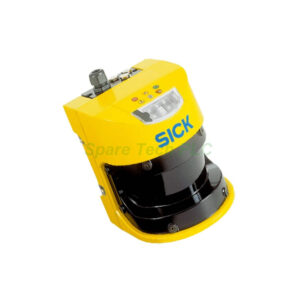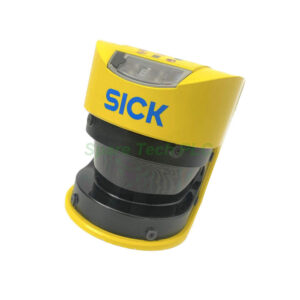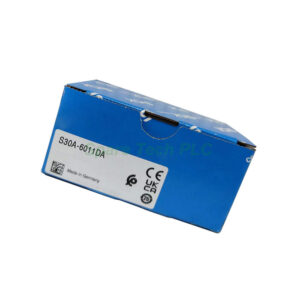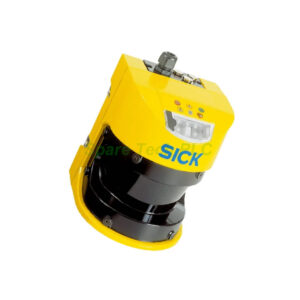

The 330425-01-00 provides accurate non-contact measurement to detect early rotor faults in real time.
It eliminates mechanical wear and ensures continuous, reliable monitoring for critical rotating equipment.
In power plants and refineries, it reduces unplanned shutdowns and supports predictive maintenance programs.
This transducer maintains stable signal output even in areas with high electrical noise and vibration.
It helps plant teams prevent catastrophic failures and extend the service life of expensive turbomachinery.
Technical Insights
High Linearity and Stable Measurement Performance
The 330425-01-00 delivers excellent linearity across its standard operating measurement range.
Stable output ensures true vibration and position data for reliable machinery health diagnostics.
Poor linearity leads to false alarms and incorrect maintenance actions in production environments.
This performance improves diagnostic accuracy and reduces unnecessary downtime for plant operations.
Wide Temperature Operating Range
This transducer operates reliably from -34°C up to +107°C in demanding industrial environments.
It maintains measurement accuracy near hot turbines and in cold outdoor mounting locations.
Wide temperature tolerance reduces sensor failure rates and supports long-term continuous operation.
It removes the need for extra cooling or heating in most standard monitoring installations.
Strong Anti-Interference Design
Built-in signal filtering protects the transducer from electromagnetic interference on site.
Clean output signals ensure monitoring systems receive accurate data without distortion.
Unfiltered signals create incorrect readings and hide real mechanical risks in production.
This feature improves system stability and reduces troubleshooting work for maintenance teams.
Installation & Maintenance
Correct Air Gap Setting During Installation
Set the recommended air gap during installation to ensure accurate and linear measurement.
An incorrect gap causes signal drift and weakens the performance of the entire monitoring system.
Use calibrated tools to adjust and lock the gap before machine startup and full operation.
Cable Routing Best Practices
Route transducer cables away from high-voltage power lines to reduce electromagnetic interference.
Maintain a proper bend radius to avoid cable damage in high-vibration machine areas.
Use shielded cables and proper grounding to further improve signal quality and reliability.
Regular Signal and Connection Checks
Check output signal levels monthly to identify drift or loose connection issues early.
Clean probe and connector surfaces quarterly to remove oil, dust, and industrial contaminants.
Tighten all terminals during scheduled shutdowns to prevent signal loss during operation.
Buyer’s Guide FAQ
Is the 330425-01-00 compatible with 3300 and 3500 monitors?
Yes, the 330425-01-00 works fully with Bently Nevada 3300 and 3500 series monitoring systems.
It uses standard signal interfaces for direct plug-and-play installation without modification.
You can replace older transducers easily without rewiring or changing system configuration.
What applications are most suitable for this transducer?
The 330425-01-00 is ideal for shaft vibration, thrust position, and radial runout measurement.
It performs well on turbines, compressors, generators, pumps, and other critical rotating machines.
It is widely used in power generation, oil refining, petrochemical, and industrial manufacturing sites.
Can this model replace older Bently Nevada proximity transducers?
Yes, the 330425-01-00 serves as a direct drop-in replacement for many legacy versions.
It matches mechanical and electrical specifications for simple, cost-effective retrofits.
Direct replacement preserves existing setup and reduces labor costs during system upgrades.