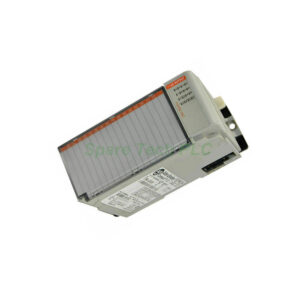
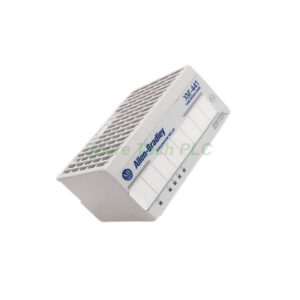
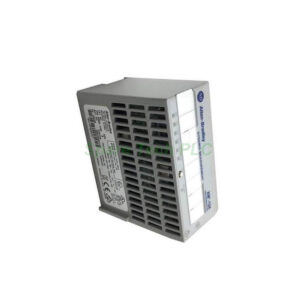
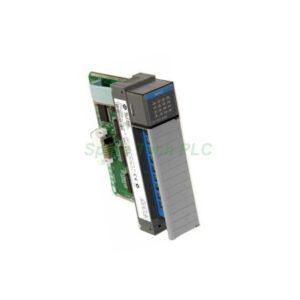
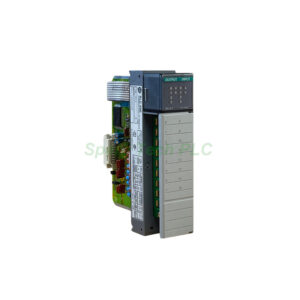
1746-IB32 Allen-Bradley 32-Point Digital Input Card
The 1746-IB32 module belongs to the trusted SLC 500 family from Allen-Bradley. This digital input card accepts 24VDC sinking signals from field devices. Specifically, it converts ON/OFF states from pushbuttons, limit switches, and proximity sensors into usable data for the processor. Therefore, it serves as a critical bridge between the physical process and the control logic. Additionally, its compact design allows for high-density mounting in control cabinets.
Key Features and Input Specifications
This module provides thirty-two sink input channels for general-purpose DC applications. It accepts a nominal voltage of 24VDC, with an operating voltage range from 15 to 30VDC at 50°C. Meanwhile, at 60°C, the acceptable range adjusts to 15 to 26.4VDC. The nominal input current sits at 5.1 mA per channel at 24VDC. Furthermore, the 1746-IB32 offers a typical signal delay of 3 milliseconds for both OFF-to-ON and ON-to-OFF transitions. This fast response ensures precise timing in high-speed control sequences.
The module also features a maximum off-state input current of 1.5 mA. In addition, its maximum off-state voltage is 5VDC, which prevents false triggering from leakage currents. The minimum on-state voltage is 15VDC, ensuring reliable detection of valid input signals. For power consumption, each channel dissipates 0.20 watts, while the entire module dissipates 6.65 watts. The backplane draws 50 mA at 5VDC, and interestingly, it draws 0 mA at 24VDC.
Mechanical and Environmental Ratings
The Allen-Bradley 1746-IB32 operates reliably across a wide temperature range. It functions between 0°C and 60°C (32°F to 140°F) with 5 to 95% non-condensing humidity. Moreover, it withstands operational vibration of 1G at 5 to 200 Hertz. Its shock rating reaches 30G, which makes it suitable for locations with moderate mechanical stress. Additionally, the module offers 1500V AC isolation for one minute between the backplane and the I/O circuits. This dielectric withstand capability protects the system from voltage spikes and ground loops.
Installation Guidelines and Chassis Compatibility
You can install this module in any available slot of the 1746 chassis. However, avoid slot 1 because the SLC 500 processor typically occupies that position. The module supports local installation with the controller or expansion racks. Moreover, it works with remote I/O chassis through a communication adapter. For safety, always remove power from the chassis before installation. This module does not support removal and insertion under power (RIUP). Use the removable terminal block (RTB) for convenient wiring. Furthermore, the RTB allows you to pre-wire the module off-site, which simplifies maintenance and reduces downtime.
Packaging and Shipping Information
One 1746-IB32 digital input module
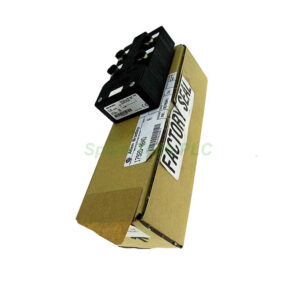
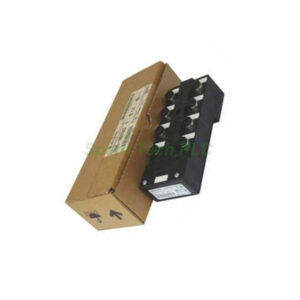
One removable terminal block (RTB) for field wiring
One user manual quick start guide
Anti-static packaging material
All orders ship via FedEx, UPS, or DHL with tracking numbers provided. Please inspect the package upon arrival and report any damage immediately.
Frequently Asked Questions
1. Can the 1746-IB32 connect to 120V AC field devices?
No, this module only accepts DC voltage signals within the 15-30VDC range. For AC inputs, consider other SLC 500 modules like the 1746-IA16.
2. What happens if I install this module in slot 1 of the chassis?
The system may not recognize the processor properly because slot 1 is reserved for the CPU. Always install the 1746-IB32 in slots 2 through 30.
3. How do I wire field devices to this module?
Use the included removable terminal block. Connect the positive lead from your DC source to the input channel and the common return to the DC return terminal. Each channel provides a sinking input configuration.
4. Can I hot-swap the 1746-IB32 while the system is running?
No, this module does not support RIUP. You must power down the entire chassis before inserting or removing the module to prevent damage.
5. What is the difference between sinking and sourcing inputs?
The 1746-IB32 is a sinking input module. This means the input circuit provides a path to DC common when activated. Sourcing inputs, by contrast, supply voltage to the load. Choose the correct type based on your field device wiring.